Some recipes are passed down through generations. Others find their way into our kitchens through friendships and shared meals. Jamaican fried dumplings fall firmly into the latter category for me.
I was first introduced to these golden, pillowy breads through close friends. Over time, I came to appreciate exactly how important they are to Jamaican cooking. Whether served as part of a traditional weekend breakfast, alongside a hearty stew, or paired with smoky jerk chicken, dumplings always seem to anchor the table.
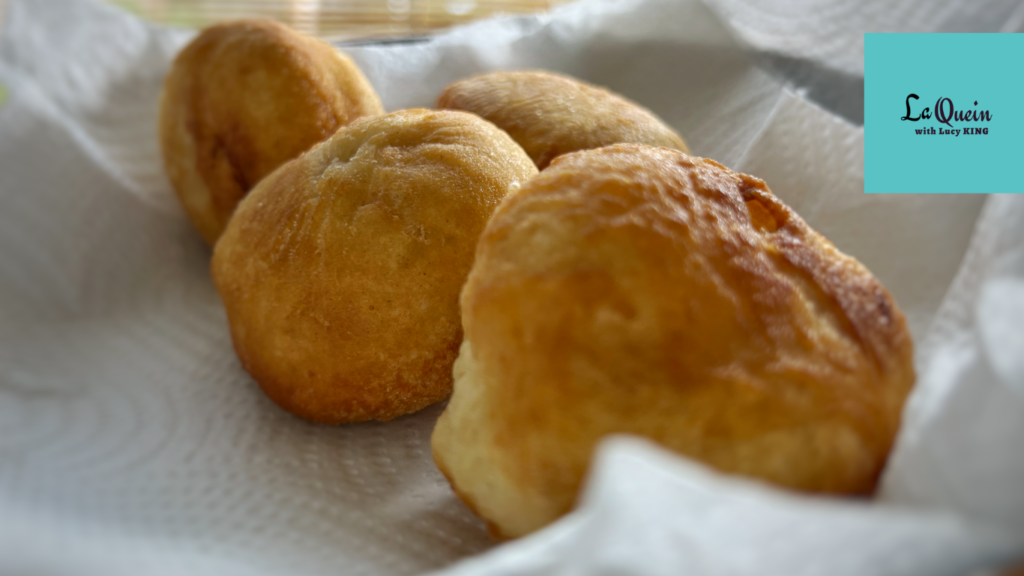
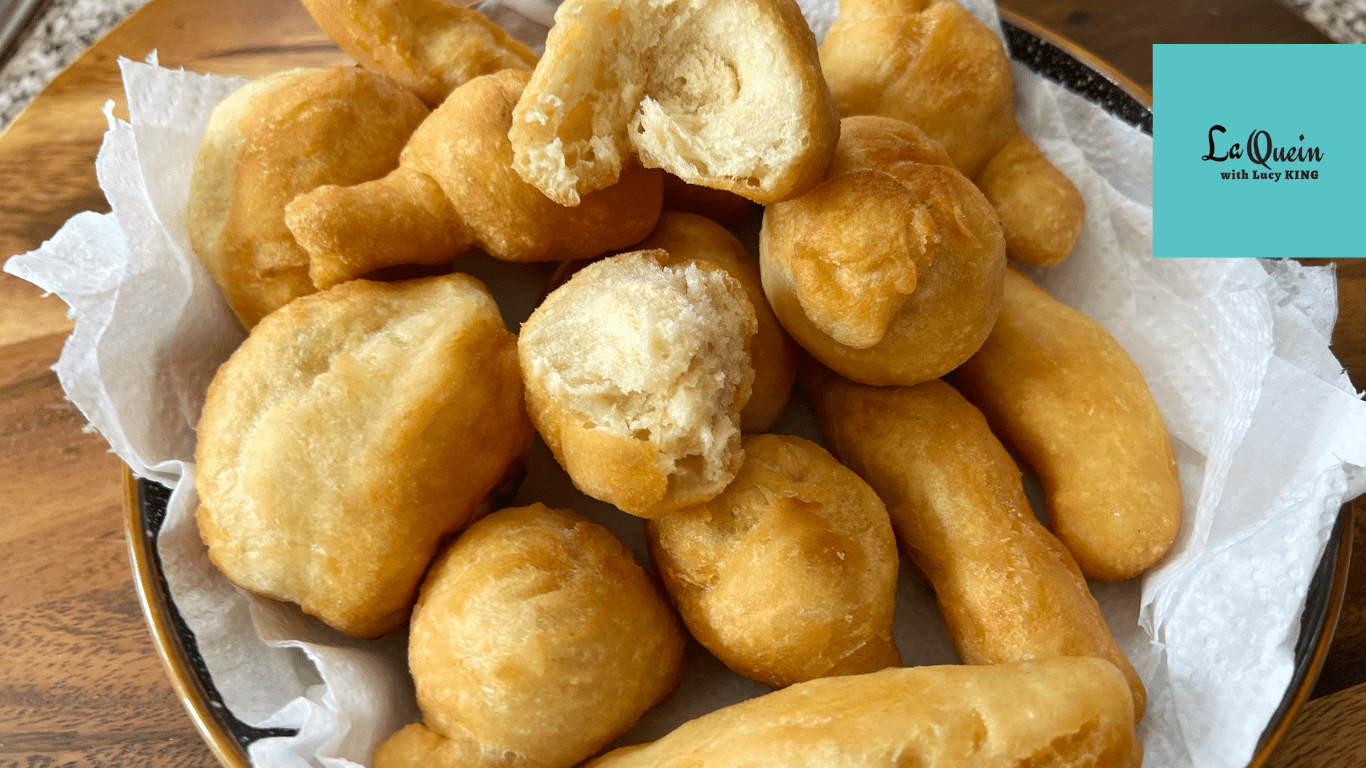
What struck me most was their absolute simplicity. Made from just a handful of everyday pantry ingredients, they transform into something incredibly satisfying. Golden and perfectly crisp on the outside. Soft, warm, and fluffy in the middle. They offer the ultimate balance of texture and flavour.
Before long, I began making them at home. What started as a recipe learned through friendship quickly became a weekly staple. Today, they are one of those comforting dishes the children actively look forward to. They work just as beautifully for a slow, indulgent weekend breakfast as they do for a quick evening meal.
Why Jamaican Dumplings Matter
Jamaican dumplings are one of the most recognisable and beloved staples of Caribbean cooking.
Unlike the filled dumplings found in East Asian cuisines, these are not stuffed with meat or vegetables. Instead, they rely entirely on a masterful, simple dough. Their sheer versatility is the reason they have remained a cultural cornerstone for generations.
Boiled dumplings are often dropped into rich, simmering soups or served alongside traditional Ackee and Saltfish. Fried dumplings, however, provide an entirely different culinary experience. Their crisp exterior makes them the perfect vehicle for mopping up rich sauces. They are enjoyed with everything from Escovitch Fish to a deeply spiced Curry Goat.
Simple ingredients, a highly satisfying texture, and endless serving possibilities have made them a beloved part of Jamaican cuisine, both on the island and throughout the global diaspora.
A Brief History of the Dumpling
Like many traditional dishes, Jamaican dumplings tell a powerful story of culinary resourcefulness.
Before colonisation, the indigenous Taíno people relied heavily on cassava as a staple ingredient. They created flatbreads that later evolved into what we know today as bammy. As wheat flour became more accessible through trade, simple flour-based dumplings emerged. They were an affordable, incredibly filling staple that could easily stretch a family meal.
Using only basic ingredients that were easy to source, families created something deeply nourishing. Over time, distinct variations developed across different parishes and households. Some favoured the dense, satisfying chew of a boiled dumpling. Others perfected the fried version, mastering that signature golden crust. Today, both styles remain deeply rooted in Caribbean heritage.
The Secret to a Great Fried Dumpling
The secret to a truly spectacular Jamaican fried dumpling lies entirely in the texture.
The exterior should be beautifully golden with a light, audible crunch. The inside must remain soft, fluffy, and slightly chewy. Achieving that balance doesn’t require complicated culinary techniques. However, understanding exactly how dough works makes a significant difference.
When mixing flour and water, you are actively developing gluten. The dough needs to be soft enough to handle comfortably without becoming a sticky mess. Adding your water gradually is absolutely crucial. Furthermore, allowing the dough to rest before shaping is non negotiable. Resting relaxes the gluten strands, ensuring a tender, bread-like crumb rather than a dense, heavy centre.
Perhaps most importantly, the dumplings must be fried over a consistent medium heat. Cooking them too quickly on a high flame will burn the outside while leaving the centre raw and doughy. Patience is the ultimate key to a perfect dumpling.
Essential Kitchen Equipment
One of the reasons I love making these is that very little equipment is required. You do not need a stand mixer or specialized tools.
You will need:
A large mixing bowl. I highly recommend using a heavy stoneware bowl. Its weight keeps it perfectly steady on the counter while you mix and knead.
- Measuring cups and spoons.
- A deep frying pan, cast-iron skillet, or a wide wok.
- A slotted spoon or kitchen spider.
- A wire cooling rack. (Draining on a rack rather than kitchen paper prevents the bottoms from steaming and becoming soggy).
The Recipe: Authentic Jamaican Fried Dumplings
This simple, refined recipe stays close to the traditional version I first learned. I have slightly adjusted the salt ratio, as self-raising flour already contains baking powder, which adds its own sodium.
Ingredients
- 2 cups self-raising flour
- ¼ teaspoon fine sea salt (reduced for the perfect balance)
- 1 to 2 tablespoons caster sugar (adjust based on your preference for sweetness)
- 1 tablespoon cold unsalted butter (optional, but highly recommended for a flakier, softer interior)
- ½ to ¾ cup cold water
- Sunflower (for shallow frying)
- The Method
Step 1: Whisk the Dry Ingredients
Place the self-raising flour, sea salt, and sugar into your large mixing bowl. Whisk thoroughly to ensure the ingredients are perfectly and evenly distributed.
Step 2: Rub in the Butter (Optional but Brilliant)
If using the cold butter, drop it into the flour. Use your fingertips to rub the butter into the dry ingredients until the mixture resembles fine breadcrumbs. This technique creates an incredibly tender dumpling.
Step 3: Gradually Add the Water
Make a small well in the centre of the flour. Pour in half a cup of the cold water. Begin mixing with your hands or a wooden spoon. Continue adding the remaining water a tablespoon at a time until a soft, shaggy dough forms. You likely will not need the full cup.
Step 4: Knead the Dough
Transfer the dough to a lightly floured surface. Knead gently for approximately 3 to 4 minutes. The dough should become smooth, soft, and easy to handle without sticking to your fingers. Do not over-knead.
Step 5: Rest the Dough
Cover the dough with a clean tea towel or place it back in the bowl. Leave it to rest at room temperature for 15 minutes. This is the secret to a fluffy interior.
Step 6: Shape the Dumplings
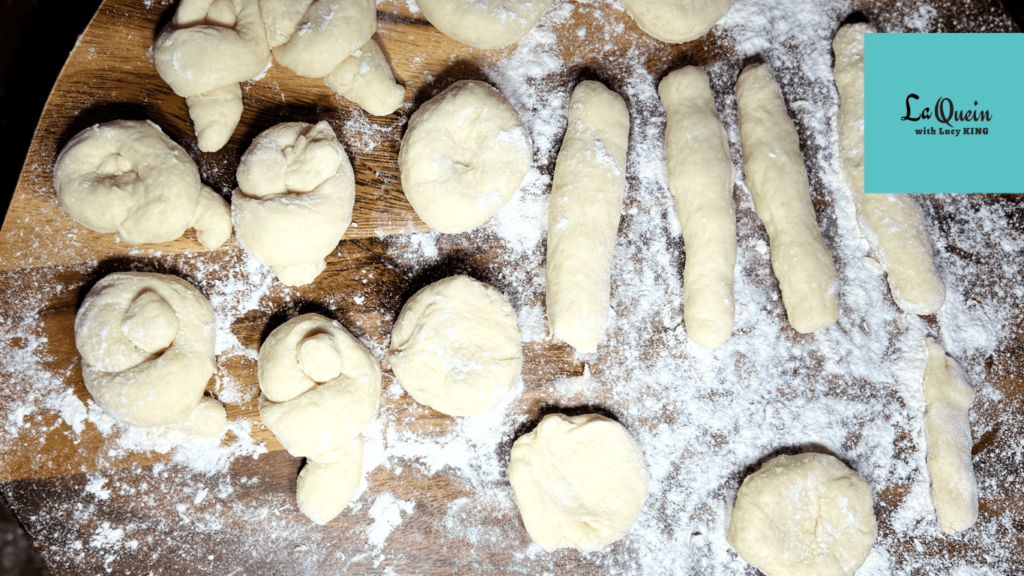
Divide the rested dough into six to eight equal portions. Roll each portion into a smooth ball between your palms. Gently press down to flatten it into a round, slightly thick disc.
Step 7: Fry to Perfection
Pour enough oil into your frying pan to create a shallow layer (about half an inch deep). Heat over a medium flame. The oil is ready when a tiny pinch of dough immediately sizzles and floats to the top. Carefully slide the dumplings into the hot oil. Do not overcrowd the pan; work in batches if necessary.
Step 8: Achieve the Golden Crust
Cook for approximately 3 to 4 minutes on the first side. Once deeply golden, flip and cook for another 3 minutes. The dumplings will puff up beautifully.
Step 9: Drain and Serve
Remove the dumplings using a slotted spoon. Transfer them immediately to your wire cooling rack to drain. Serve them warm.
What to Serve With Fried Dumplings
One of the things I love most about fried dumplings is their endless versatility. They pair beautifully with:
- Ackee and Saltfish
- Spicy Callaloo
- Crispy Fried Plantain
- Brown Stew Chicken
- Rich Curry Goat
- Or simply served warm with a generous smear of butter and a kick of artisan chilli paste for a quick, savoury snack.
Final Thoughts
What I appreciate most about Jamaican fried dumplings is how perfectly they represent the power of simple cooking.
There is absolutely nothing complicated about the ingredient list or the method. Yet, they deliver a level of pure comfort and satisfaction that many highly elaborate recipes completely struggle to achieve. They remind me of how food possesses a unique way of connecting people. A recipe shared through friendship eventually became a permanent part of our family’s regular meals.
Crisp on the outside, soft in the centre, and endlessly versatile, Jamaican fried dumplings remain one of the simplest and most rewarding recipes you will ever master in your kitchen.