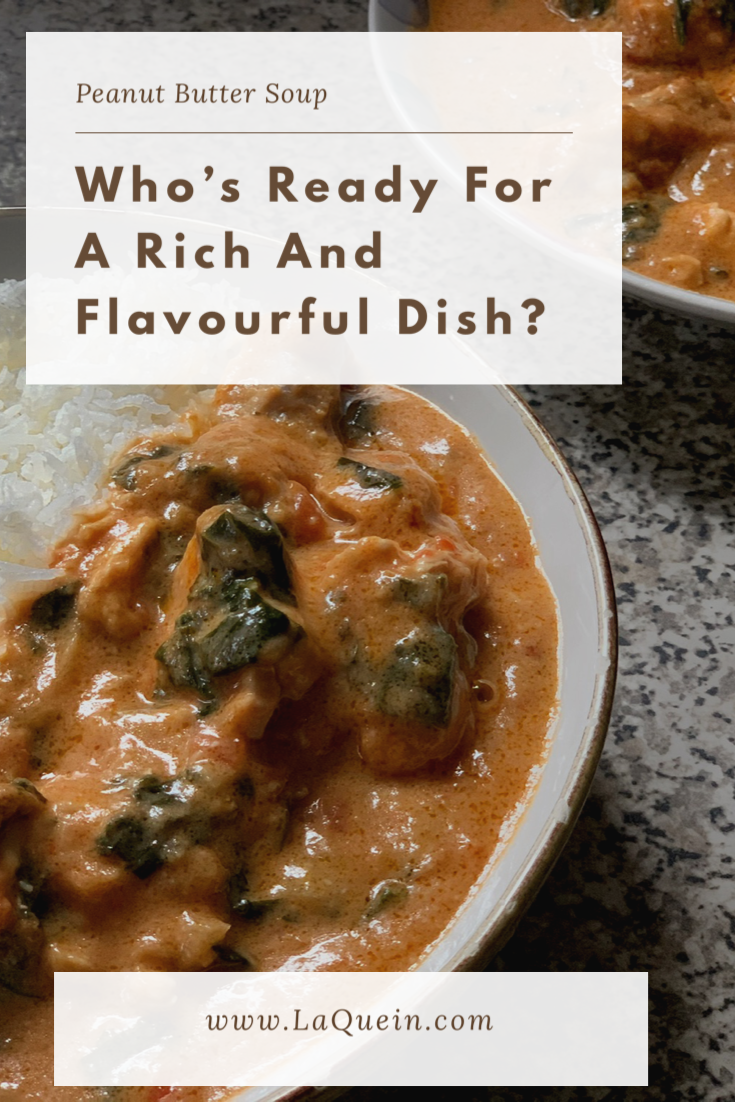
There is a very specific kind of culinary comfort that becomes entirely essential when the London skies settle into their familiar, uncompromising grey. While recent months have seen us chasing the sun drenched coastal plates of the Algarve and sampling vibrant tapas off Las Ramblas, returning home always brings a profound craving for something deeply grounding. Something that warms the kitchen and fills the house with an aroma so rich, it instantly demands you slow down.
Few dishes capture that profound sense of warmth and hearth quite like traditional West African groundnut soup.
Rich, deeply nourishing, and layered with complex, aromatic flavour, this beloved recipe has been celebrated for generations across countries such as Ghana, Sierra Leone, Gambia, and Nigeria. While every region and indeed, every family has its own cherished variation, the beating heart of the dish remains beautifully constant: a velvety, peanut-based broth infused with warming spices, fresh herbs, and wholesome ingredients.
For those of you who follow along here at LaQuein, you will know that I spend an inordinate amount of time focusing on culinary precision. From carefully balancing the heat and acidity for artisanal chilli pastes to proofing traditional bread doughs, deconstructing flavour profiles has become a daily passion. Yet, when you spend your days chasing exact pH levels and commercial scaling, you develop a profound appreciation for dishes that effortlessly marry complexity with soul. Groundnut soup is exactly that kind of dish a masterclass in balancing earthy creaminess with vibrant, slow building heat.
The Story Behind the Soup: A Celebration of Culture
Across West Africa, food is never just sustenance; it is deeply connected to culture, community, and the legacy of family. Recipes are oral histories, passed down through generations, with each cook adding their own personal touch, intuition, and flair.
Groundnuts more commonly known across the globe as peanuts have long been a cornerstone ingredient in West African cuisine. Their naturally rich flavour and high oil content make them the perfect foundational base for hearty soups and stews designed to bring large families together around the table.
In Ghana, nkatenkwan (peanut butter soup) is an absolute staple, traditionally served alongside fufu a smooth, starchy accompaniment made from pounded cassava, yam, or plantain. The incredibly soft, pilloly texture of the fufu is designed to be eaten by hand, acting as the perfect vessel to soak up the rich, slightly spicy broth, creating a meal that is both exceptionally filling and deeply satisfying.
In Sierra Leone, the culinary landscape offers both peanut butter soup and peanut butter stew. The stew variation is typically thicker, richer, and heavily reduced, while the soup version offers a lighter, more brothy, but equally flavourful experience. Although the specific proteins and vegetables may vary slightly from one household to the next, the comforting alchemy of roasted peanuts, aromatic spices, and slow-cooked ingredients remains the undeniable star of the show.
A Modern Twist on a Treasured Classic
This particular version of groundnut soup stays incredibly true to its West African roots, while gently introducing a few subtle adjustments that elevate both the flavour profile and the nutritional value.
The addition of cream coconut is my personal favourite touch; it brings a whisper of tropical sweetness and an extra layer of silkiness to the broth that cuts through the heat of the chilli. Meanwhile, the inclusion of fresh spinach adds a vibrant burst of colour, freshness, and valuable iron. Together, these carefully considered ingredients create a beautifully balanced dish that feels entirely indulgent, yet wonderfully nourishing for the body.
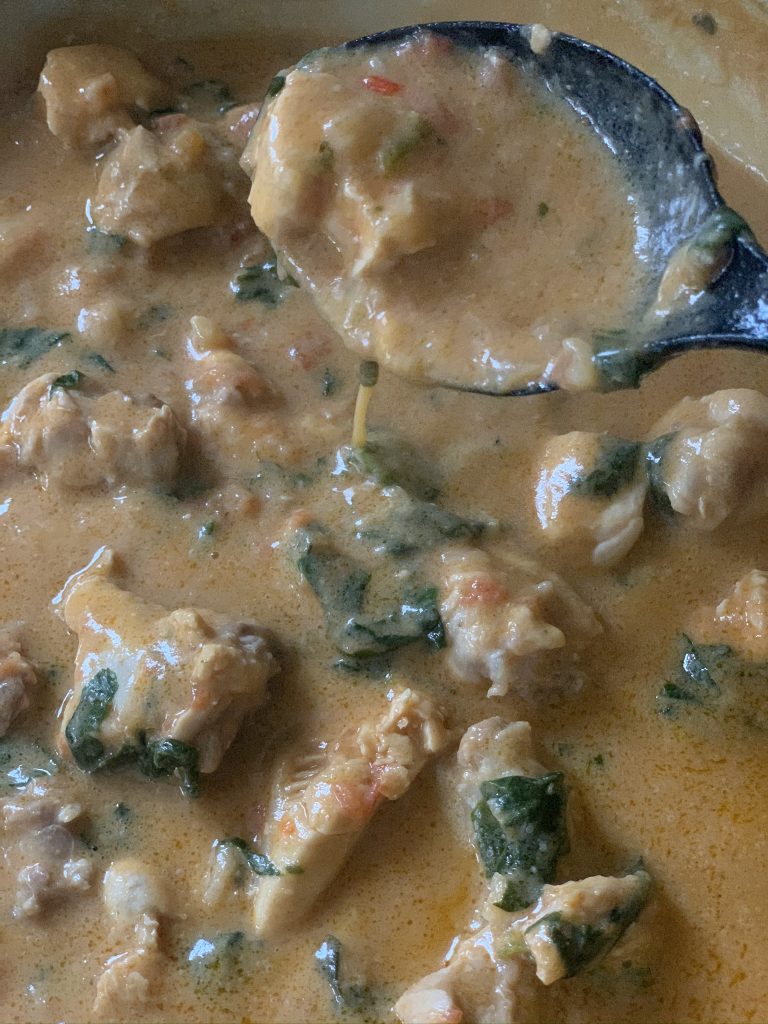
The result is a highly aromatic, golden-hued soup with complex layers of flavour that continue to develop and deepen as it gently simmers on the stove.
Why This Recipe Will Become a Weekly Staple
Groundnut soup has remained a treasured favourite for centuries for incredibly good reason, but in a modern context, its appeal is perhaps even stronger.
Unrivalled Comfort: It boasts a naturally thick, creamy texture that feels like a warm embrace on a chilly evening.
Complex Flavours, Simple Method: It is packed with bold flavour from fresh thyme, ginger, and garlic, yet requires very little hands on cooking time.
Time-Friendly: From chopping board to dining table, it is ready in under an hour.
Family-Focused: It’s the kind of meal that feels like a slow-cooked Sunday luxury, yet is straightforward enough to pull together on a busy Tuesday evening between the school run and Grade 2 ballet class drop-offs.
Highly Versatile: It is utterly delicious served with traditional fufu, fluffy steamed rice, or sweet boiled plantains.
The Perfect Pairings: How to Serve Groundnut Soup
One of the greatest joys of groundnut soup is its sheer versatility.
If you want an authentic, transportive experience, serving it with fufu is highly recommended. The starchiness of the fufu beautifully tempers the spice of the broth. However, if you are looking for everyday convenience, steamed jasmine or basmati rice remains one of the most popular and accessible pairings, offering a simple, clean base that allows the bold flavours of the soup to shine.
Boiled or fried sweet plantains are another phenomenal choice. The caramelised sweetness of the plantain perfectly balances the savoury, slightly fiery nature of the peanut broth. For a lighter, more Western style lunch, simply serve the soup on its own in a wide, shallow bowl with a thick slice of crusty, artisanal sourdough bread for dipping.
No matter how you choose to enjoy it, groundnut soup is guaranteed to deliver deep comfort in every single spoonful. It is a meal that celebrates the exquisite beauty of traditional cooking, whilst fitting seamlessly into the rhythm of modern family life.
LaQuein’s Signature West African Groundnut Soup
Prep time:** 15 minutes | Cook time: 45 minutes | Servings: 4-6
Ingredients
The Base:
- ½ whole chicken, cut into small, manageable pieces (bone-in yields the best broth)
- ½ tin (200g) quality chopped tomatoes
- 1 medium brown onion, finely chopped
- 2–3 slices fresh Scotch bonnet chilli (adjust according to your heat preference)
- 2 premium chicken or vegetable stock cubes
- 1 litre cold water
- The Aromatics & Flavour:
- 1–2 inches fresh ginger root, finely grated (or 1 teaspoon high-quality ginger powder)
- 2 large garlic cloves, finely grated
- 3 sprigs fresh thyme (or 1 teaspoon dried thyme)
- 1 teaspoon coarse sea salt
The Creamy Finish:
- 2 generous tablespoons smooth, 100% natural peanut butter (avoid brands with added sugar)
- 1 tablespoon cream coconut
- 2 large handfuls fresh spinach, roughly chopped (or 2 cubes of thawed frozen spinach)
Step-by-Step Instructions
Step 1: Build the Broth
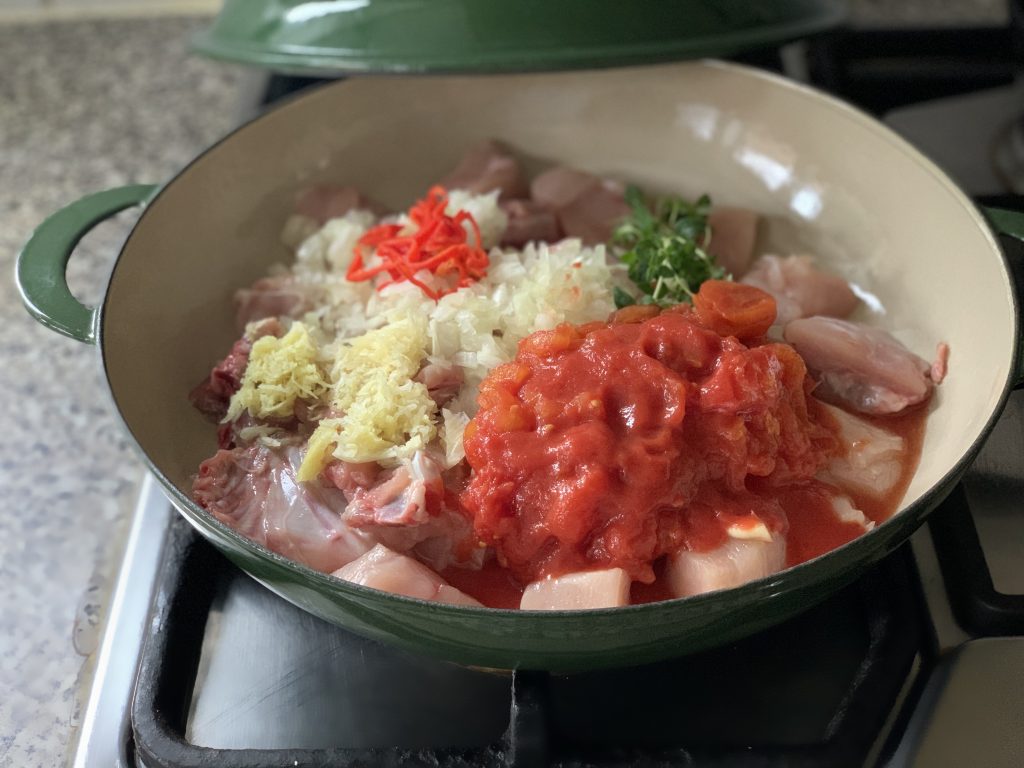
Place the prepped chicken pieces into a large, heavy-bottomed saucepan or Dutch oven. Add the finely chopped onion, tomatoes, Scotch bonnet chilli, fresh thyme, sea salt, grated ginger, garlic, and crumbled stock cubes. Pour in the water and stir to combine.
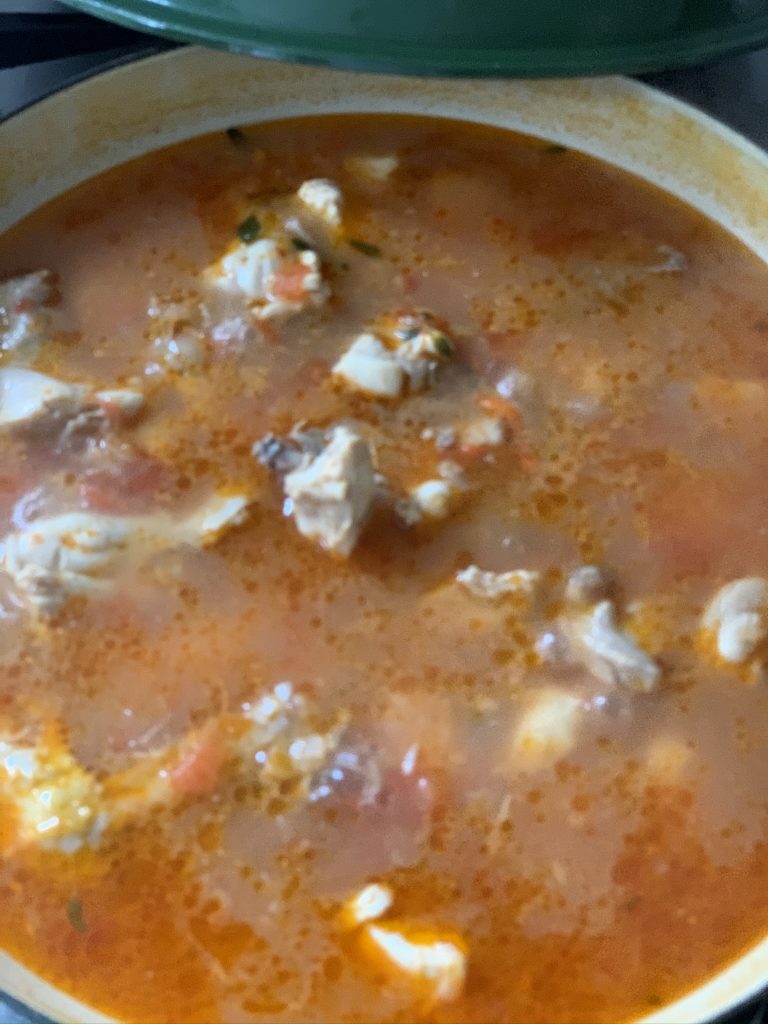
Bring the pot to a gentle, rolling boil over a medium-high heat. Once boiling, immediately reduce the heat to medium-low, cover with a lid, and allow it to simmer gently for 20 minutes. You want the chicken to become tender and the kitchen to fill with the fragrant scent of the aromatics.
Step 2: Create the Creamy Emulsion
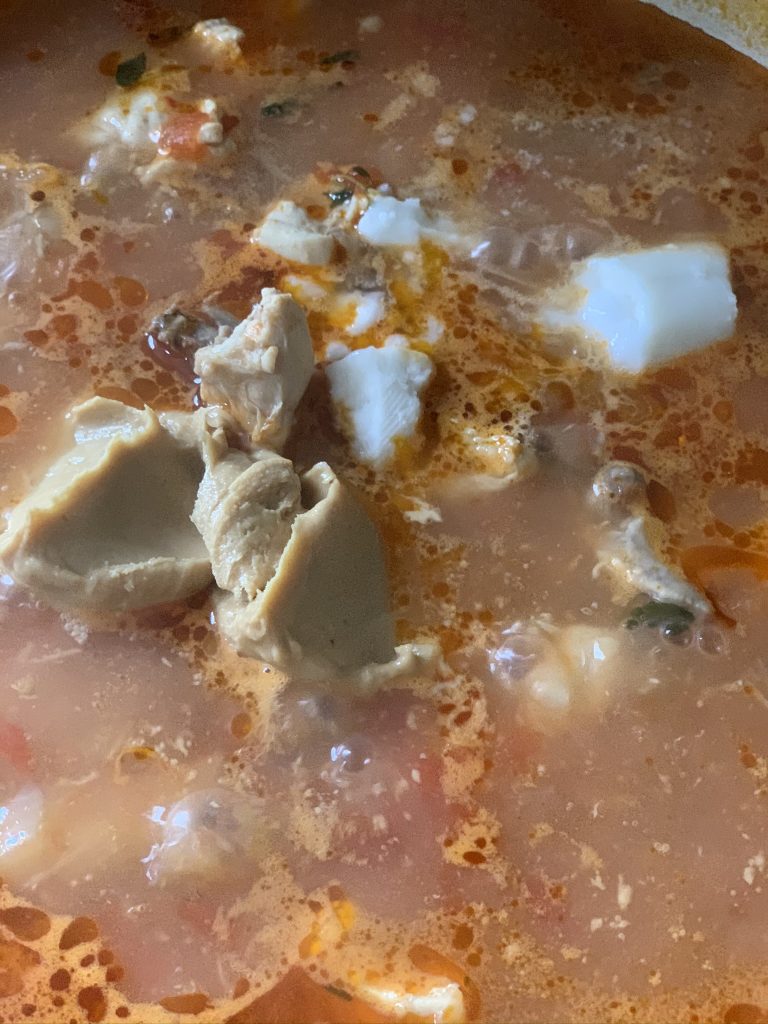
Carefully remove the lid and add the smooth peanut butter, cream coconut, and chopped spinach directly to the simmering broth. Stir the pot continuously and thoroughly until the peanut butter and coconut have completely dissolved, transforming the clear broth into a rich, velvety, golden soup.
Leave the pot uncovered and continue simmering for a further 20 to 25 minutes. Stir occasionally to prevent the peanut butter from catching on the bottom of the pan. You will notice the soup beginning to thicken and develop a beautiful, rich texture.
[Note: If you feel the soup is becoming a little too thick for your liking, simply add a splash of boiling water and stir over a low heat for an additional 5 minutes until you reach your desired consistency.]
Step 3: Serve and Savour
Remove the saucepan from the heat. Ladle the hot soup generously into deep bowls, ensuring everyone gets a tender piece of chicken. Serve immediately alongside steaming hot rice, traditional fufu, or sweet boiled plantains.
Recipe Notes & Expert Tips
Controlling the Heat: Scotch bonnet chillies are notoriously fiery. If you want the flavour without the overwhelming heat, add the chilli slices whole rather than chopping them, and simply remove them before serving. As someone who tests chilli levels for a living, trust me start small!
The Peanut Butter: Always opt for a natural peanut butter where the only ingredients are peanuts (and perhaps a little salt). Sweetened, commercial peanut butters will fundamentally alter the authentic, savoury flavour profile of the dish.
Make Ahead: Much like a good curry or chilli, the flavours in this groundnut soup deepen and intensify overnight. It makes for exceptional leftovers. The soup will naturally thicken as it cools in the fridge, so you may wish to add a small splash of water when reheating it the next day.
Allergen Warning: This recipe is strictly not suitable for individuals with peanut or tree nut allergies.