Some culinary traditions look beautiful on the glossy pages of a cookbook, but completely lack soul when you actually try to recreate them on a busy weeknight. Other cuisines, however, manage to imprint themselves on your senses instantly. Moroccan food unequivocally belongs to the latter category.
You do not need to navigate the bustling souks of Marrakech to be captivated by this cuisine; the magic translates directly to your own kitchen. I vividly remember the first time I properly toasted cumin, coriander, and saffron together to build a traditional tagine at home. The sheer sensory volume of those ingredients is staggering. The aroma instantly transforms a standard kitchen into something deeply atmospheric, heavy with fragrant smoke, and you realise you are cooking something entirely different from your usual dinner rotation.
From the vibrant pyramids of colourful spices found in traditional markets to the ceremonial pouring of fresh mint tea, Moroccan food is a deliberate invitation to pause. The country’s cuisine reflects a rich, complex history and a deep-rooted tradition of hospitality. What I find most fascinating about cooking Moroccan food is its masterful ability to balance rustic simplicity with profound complexity. Through the careful, architectural layering of spices and slow-cooking techniques, everyday pantry ingredients are transformed into flavours that are incredibly rich, deeply comforting, and entirely unforgettable.
Why Moroccan Cuisine Is So Unique: A Culinary Crossroads
Moroccan cuisine has not evolved in isolation; it has been shaped by centuries of trade, conquest, and cultural cross pollination.
The absolute foundation of Moroccan cooking traces back to the indigenous Berber communities. Their traditional, nomadic dishes relied heavily on robust local ingredients: preserved olives, dates, figs, hardy grains, and lamb. Over the centuries, Arab settlers, Andalusian refugees, and passing merchants introduced new citrus fruits, advanced cooking methods, and complex spice combinations.
Today, the cuisine is a brilliant synthesis of Berber, Mediterranean, and North African influences. The first thing you notice when cooking it is the masterful application of spice. Unlike cuisines that rely on blistering chilli heat, Moroccan cooking focuses on creating aromatic depth.
Warm, earthy spices such as cumin, cinnamon, ginger, sweet paprika, turmeric, and the delicate floral notes of saffron are frequently combined. The result is food that is fragrant and deeply layered, rather than palate-destroying.
The Ritual of Hospitality: Moroccan Whisky
In Moroccan culture, food is never just sustenance. It is the primary vehicle for hospitality.
Meals are structurally designed to be shared, naturally encouraging long conversations around the table. Guests are welcomed with overwhelming generosity, and the concept of a “rushed lunch” simply does not exist.
The most recognisable, enduring symbol of this hospitality is mint tea. Often playfully referred to as “Moroccan whisky,” this intensely sweet green tea is heavily stuffed with fresh mint leaves and served continuously throughout the day. The pouring of the tea is a ritual in itself poured from a dramatic height to aerate the liquid and create a frothy crown in the small glass.
Whether someone is stepping into a family home or simply negotiating in a market, they will be handed a scalding glass of sweet tea. It is a beautiful gesture of welcome that is incredibly easy to replicate in our own homes when hosting friends.
The Iconic Moroccan Tagine: Form Meets Function
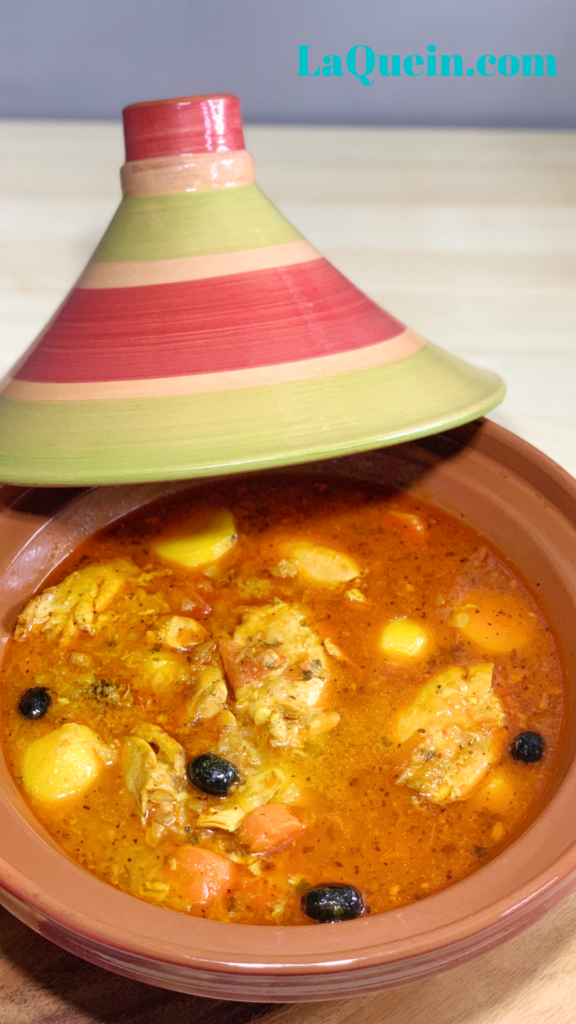
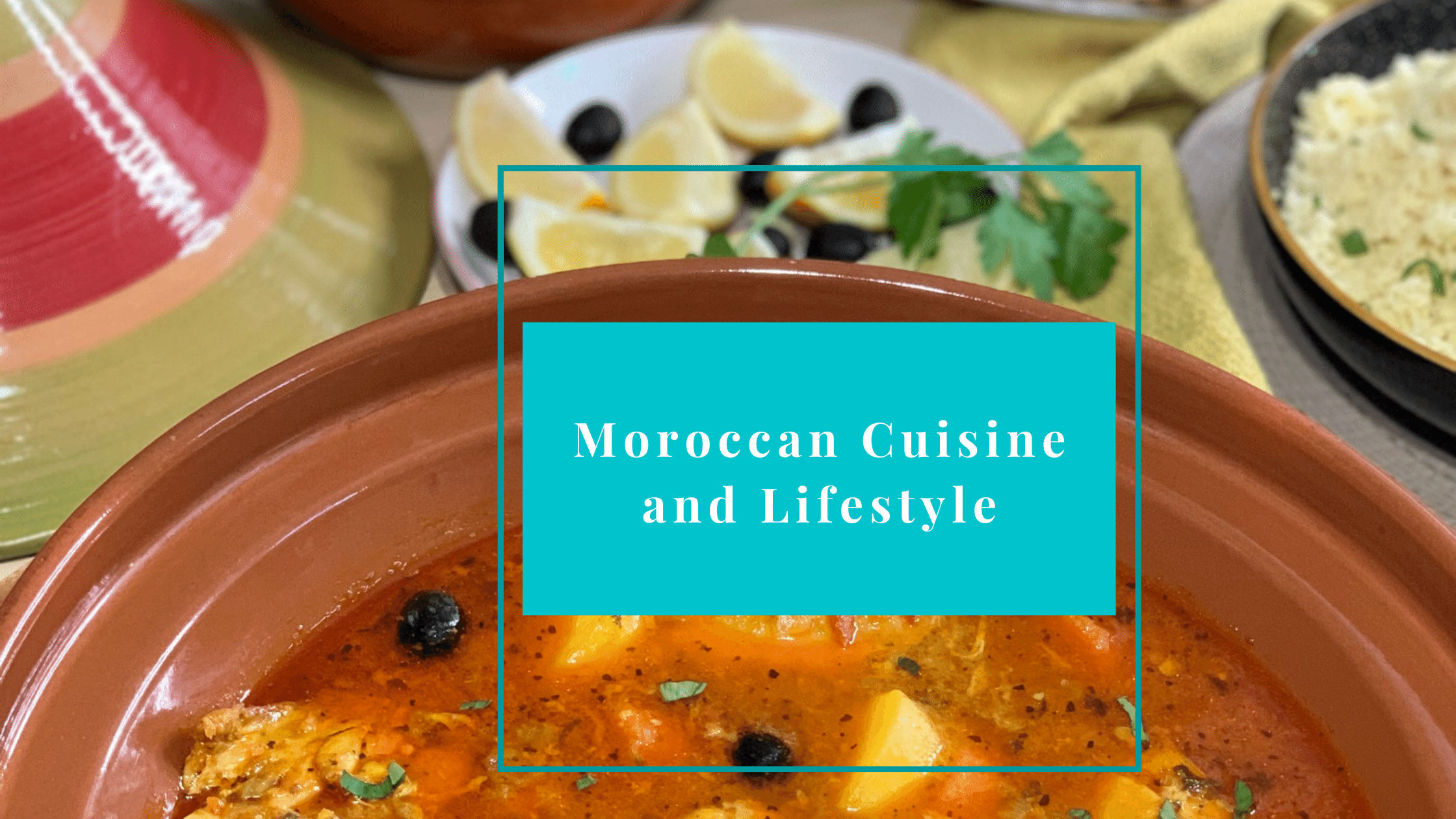
No discussion of Moroccan cuisine is complete without dissecting the tagine. Interestingly, the word refers to both the deeply aromatic stew itself and the brilliant clay vessel used to cook it.
The traditional tagine pot consists of a wide, shallow base topped with a distinctive, conical lid. This shape is an ancient piece of culinary engineering. The conical lid captures the steam rising from the cooking meat. As the steam hits the cooler upper walls of the lid, it condenses and drips back down over the ingredients. This continuous basting allows tough cuts of meat to become incredibly tender without requiring gallons of added liquid.
What makes tagines so compelling to cook at home is the endless variety of flavour profiles. Many traditional recipes deliberately blur the lines between savoury and sweet pairing rich lamb with sticky dates and almonds, or slow cooked chicken with sharp preserved lemons and salty green olives.
The Recipe: Authentic Chermoula Chicken Tagine
If you are new to cooking Moroccan food at home, a chicken tagine is the perfect entry point.
This recipe uses a classic chermoula a pungent, highly aromatic North African marinade that heavily infuses the chicken before cooking.
Ingredients
The Chermoula Marinade:
- 1kg chicken thighs, skinless and bone-in (bone-in ensures the meat stays succulent)
- 2 good pinches of saffron threads
- 100ml boiling water
- ½ tsp dried chilli flakes (adjust to your preference)
- 1 tsp fine sea salt
- 1 tsp cracked black pepper
- 2 tsp sweet paprika (avoid Spanish smoked paprika for an authentic flavour)
- 1 tsp ground cumin
- 2 tsp ground coriander
- 2 fresh bay leaves
- 2 tbsp high-quality olive oil
- 2 tbsp fresh parsley, finely chopped
- 4 plump garlic cloves, minced
- 1 tsp fresh ginger, grated
- Juice of ½ a lemon
- For the Tagine Base:
- 2 tbsp olive oil
- 2 medium yellow onions, finely sliced
- 2 medium tomatoes, cut into thick wedges
- 1 tsp ground turmeric
- ½ a cinnamon stick
- 300ml quality chicken stock
- 1 large potato, peeled and cut into large chunks
- ½ a preserved lemon, finely diced (Optional, but highly recommended for that authentic Moroccan sharpness)
- 1 large handful of pitted green olives
- Fresh parsley, to garnish
The Method
(If you do not own a clay tagine, a heavy-bottomed Dutch oven or cast-iron casserole dish works perfectly).
1. Prepare the Chermoula
Place the saffron threads into a small bowl and pour over the 100ml of boiling water. Let it steep for 10 minutes to release its golden colour. In a large, non-reactive mixing bowl, combine the infused saffron water, chilli flakes, sea salt, pepper, sweet paprika, cumin, coriander, bay leaves, olive oil, parsley, garlic, ginger, and fresh lemon juice. Mix thoroughly. Add the chicken thighs, ensuring every piece is heavily coated. Cover tightly and refrigerate for a minimum of 3 hours, though overnight is vastly superior.
2. Soften the Onions
Place your tagine base or heavy casserole dish over a medium-low heat. Add the olive oil. Once warm, add the finely sliced onions and the turmeric. Sauté gently for 10 to 15 minutes until the onions are completely soft, translucent, and stained a beautiful golden yellow. Do not let them brown.
3. Add the Chicken and Stock
Arrange the marinated chicken thighs over the bed of softened onions. Pour every drop of the remaining chermoula marinade from the bowl over the meat. Pour the chicken stock into the base of the pan. Bring the liquid to a very gentle simmer. Cover with the lid and cook undisturbed for 45 minutes.
4. Add the Vegetables and Olives
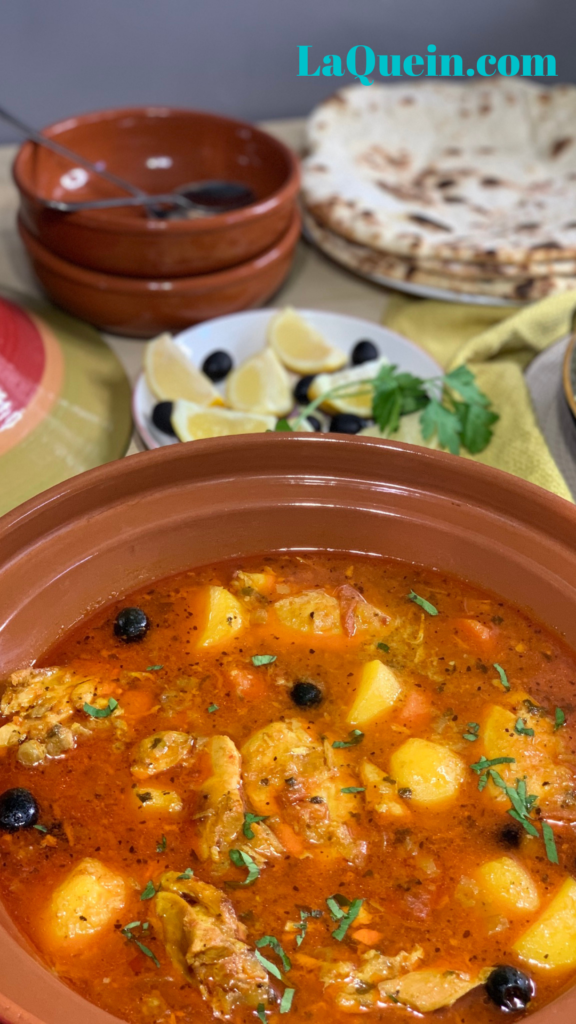
Carefully remove the lid (watch out for the trapped steam). Tuck the potato chunks, tomato wedges, cinnamon stick, chopped preserved lemon, and green olives around the chicken. Replace the lid and continue to simmer gently for a further 30 minutes, or until the potatoes are tender and the chicken is falling away from the bone.
5. Garnish and Plate
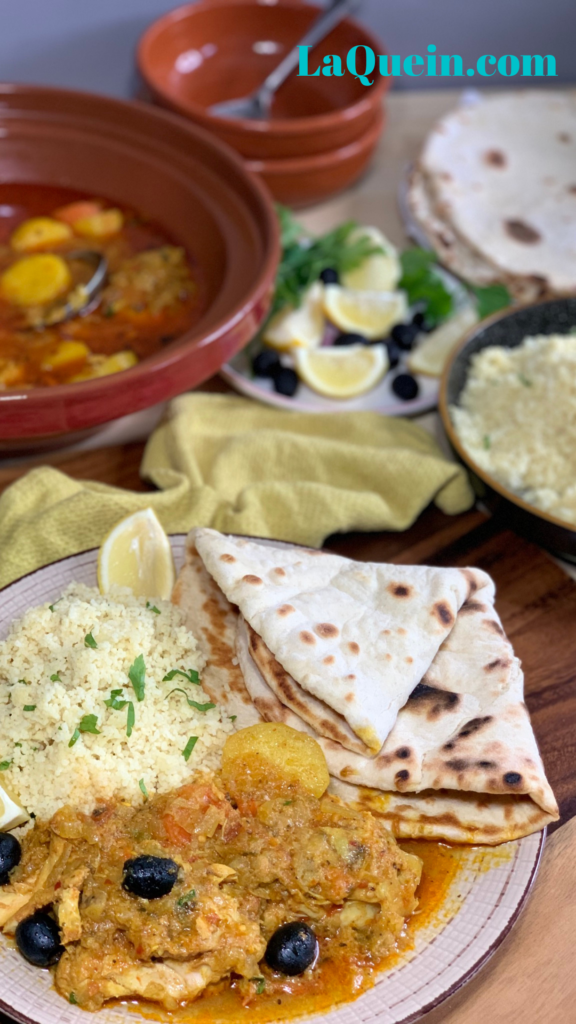
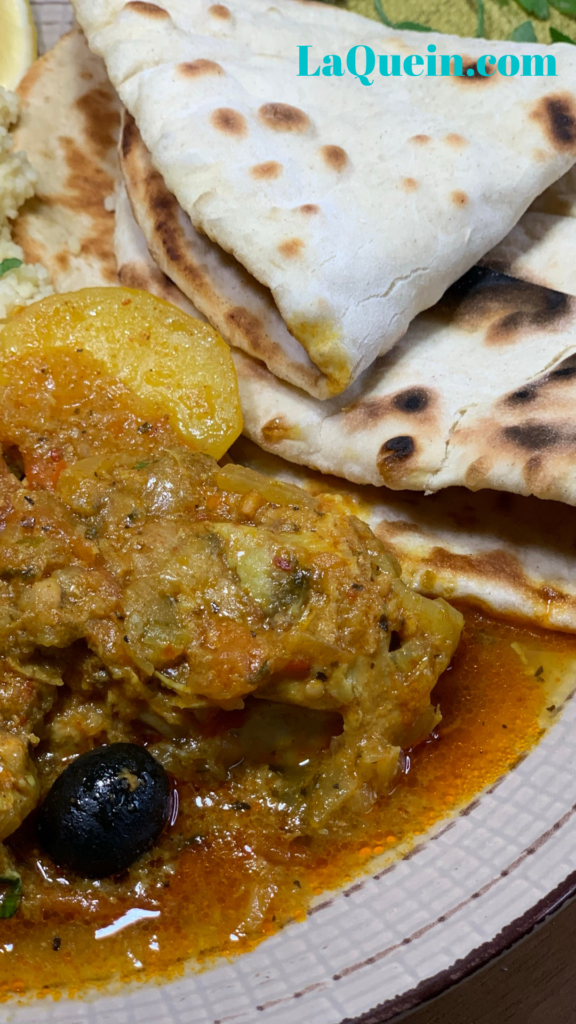
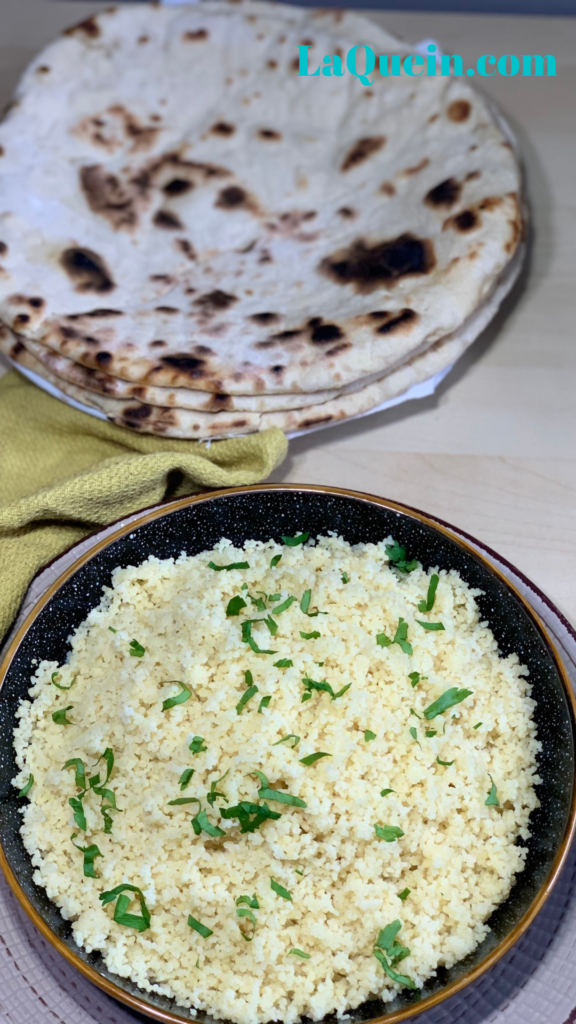
Remove the pan from the heat and let it rest for 10 minutes to allow the sauce to settle. Garnish generously with fresh parsley. Serve immediately directly from the cooking vessel, accompanied by a mountain of fluffy couscous or warm flatbreads to mop up the richly spiced sauce.
The Verdict: The Power of Patience
What I genuinely love most about Moroccan cuisine is how it elevates and transforms everyday ingredients into something profoundly memorable.
A handful of warm spices, a few fresh herbs, the right cooking vessel, and a little patience are absolutely all that is needed to create a meal that feels rich in both flavour and tradition. The complex, earthy aromas that fill your kitchen while a tagine gently simmers are almost as enjoyable as the meal itself.
Moroccan food actively forces you to slow down. It demands that you gather around the table and appreciate the shared experience of eating, even if you are thousands of miles away from the medina. In a modern world that so often feels chaotic and rushed, that may just be its greatest appeal.