We live in a fast growing consumer culture that reveals to us that what we have is rarely enough and that gets incorporated into our personality. We have things that shouldn’t be supplanted at this point we come up with approaches to supplant them. I should admit I’ve been a part of the consumer framework, however, I’m venturing out as the developing quantities of items being discarded continue to grow.
According to the European Commission, in Europe we consume 16 tonnes of raw materials per person a year, of which six tonnes is converted into waste. In 2012, the total amount of waste generated in EU-28 for the total amount of economic activities and households was 2.52 billion tonnes, with around 2.3 billion tonnes being treated. Around 40% of this processed waste is reused or recycled. So how can we help to reduce waste in our homes?
Our Contribution to reducing wastes.
There are various ways to reduce household waste but, today I’m going to talk about Upcycling.
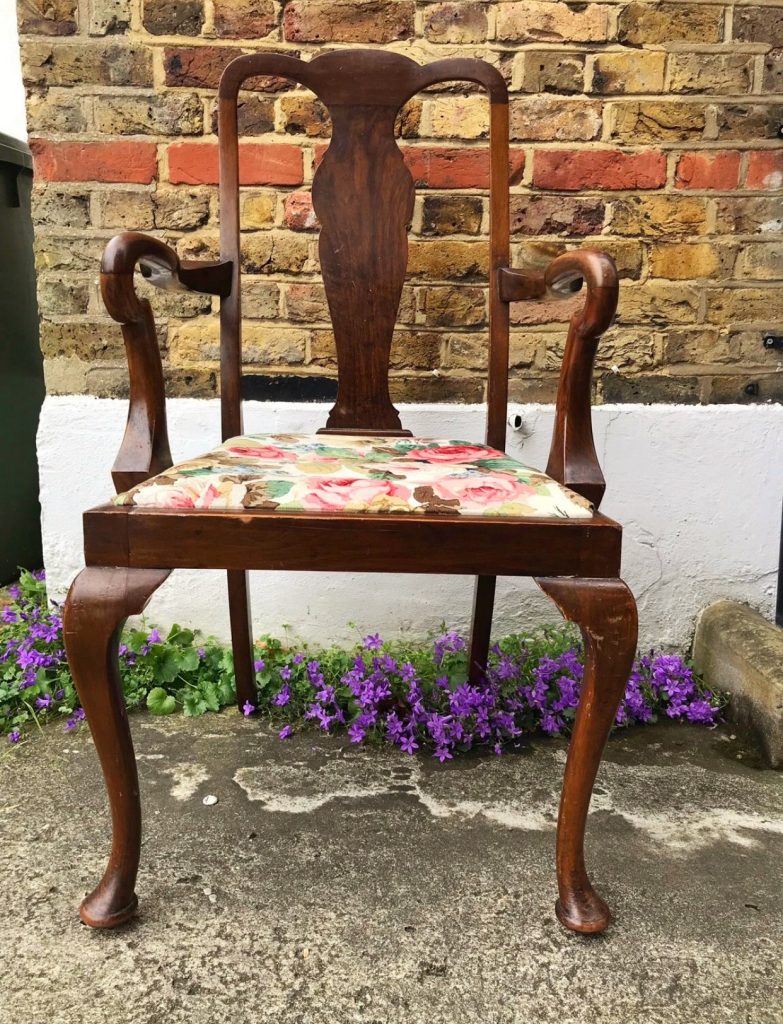
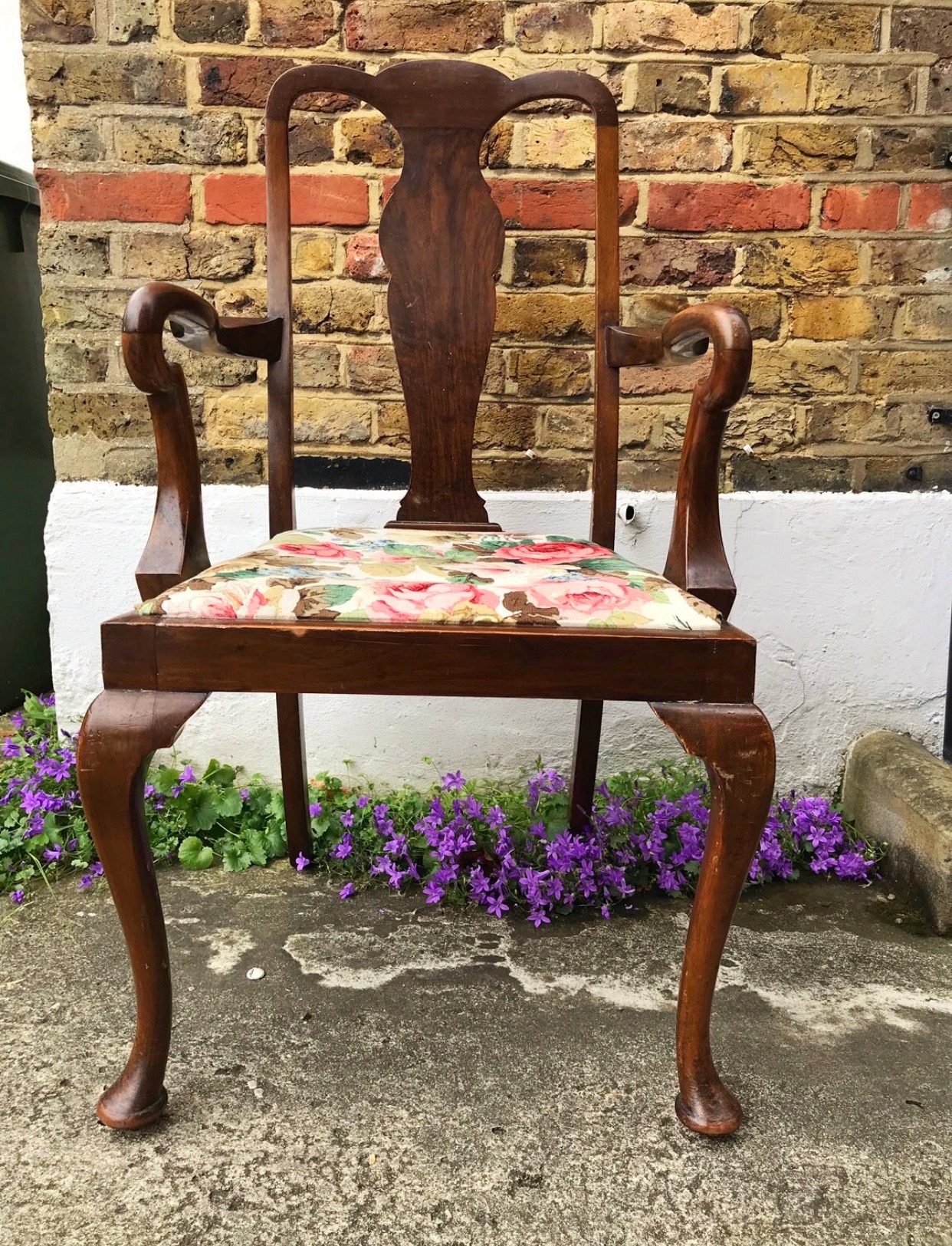
Upcycling is the practice of creating a useable product from waste or unwanted items or adapting an existing product in some way to add value. The main reason for upcycling is to reduce waste and also improve the efficiency of resource use.
Is there any similarity between recycling and upcycling?
No! The main difference between the two is the process.
Everyone has heard of recycling, but what about upcycling? Recycling is the process of turning waste into a reusable material or product. It involves taking common household items, such as paper, glass, and plastic, breaking down the materials, and using them to form another product that is often of lesser quality.
Upcycling, on the other hand, is a very specific form of recycling that turns waste into a material or product that is of a higher quality. You do not need to send items to a recycling center to be broken down if you want to upcycle. Instead, you just have to use your creativity to figure out new ways to repurpose or fashion items.
Upcycling is in vogue and people are taking advantage of this new phenomenon. It also allows people to learn and preserve their favourite household items, thereby turning them into treasures, either for themselves or as a means of profit.
While this new age’s most common practice is becoming more prevalent, the main benefit is that it cuts down on pollution and waste it also restores life in useable materials while lowering the amount of waste from entering dumpsites across the nation. Considering the fact the earth is our home, it’s our job to keep it clean.
Here are a portion of the reasons why it is great to upcycle:
1. It connserves the environment.
2. It conserves the limited resources.
3. It reduce the cost of production.
4. It helps in supporting local industries.
5. It encourages creativity and innovation
Upcycling Movement
With people searching for ways to express their creativity, we can see the reason why creative marketplaces like Etsy and other ones have quite a number of available products. Here are few upcycling methods:
- Start by planting flowers or herbs in a cracked teapot, old tyre, sink or even a washing machine drum.
- Start a small bookcase at work so as to swap and share books.
- Paint can also be reused, so, instead of leaving it in your garden shed for a year or two, take it to your local recycling.
- Repair or restyle an item to make it wearable again.
- Give clothes to friends or even throw a clothes swap-party.
- Donate clothes to reuse organisations or to a (reputable!) charity.
- Hard-wearing fabrics can also be transformed into quirky one-off accessories or even useful items, for example, old jeans are very perfect raw material for making bags, belts or draught excluders.
- You can as well donate furniture to a reuse organisation in your area.
Conclusively, being in accordance with reducing wastes is fundamental to saving our planet. Upcycling will also contribute incredibly to improving our condition. So, why not go with the development?