Some historic houses impress through their sheer age. Others captivate through their avant-garde architecture. A select few manage to do both simultaneously.
Tucked away in the leafy suburbs of South East London, Eltham Palace and Gardens is one of those incredibly rare places where centuries of history coexist effortlessly under a single roof. At first glance, as you cross London’s oldest working bridge over the moat, the estate appears to be a grand, sprawling country house surrounded by meticulously landscaped gardens. Yet, behind its elegant exterior lies a narrative that stretches back over 700 years; encompassing medieval royalty, cutting-edge 1930s architectural innovation, and the unapologetically lavish lifestyle of one of Britain’s wealthiest bohemian couples.
Walking through Eltham Palace feels less like touring a static historic property and more like stepping through a portal between wildly different eras. The heavy timber beams of a medieval hall sit shoulder-to-shoulder with sleek, Hollywood-style Art Deco luxury. Whether you are drawn to royal history, interior design, botanical gardens, or simply searching for one of London’s most fascinating hidden gems, Eltham Palace offers a remarkable, sensory glimpse into the lives of both monarchs and millionaires.
Why This Place Matters: From Henry VIII to High Society
To understand Eltham Palace, you have to understand its dual identity. Long before the striking Art Deco interiors were conceived, this estate was one of England’s most important royal residences.
From the 13th through to the 17th century, the palace served as a favoured country retreat for generations of monarchs. During the Tudor period, it became an epicentre of royal life, hosting lavish banquets and political summits. Most notably, it was the childhood home of King Henry VIII. During his reign, the palace was considered one of the grandest estates in the country, boasting enough accommodation to house a sprawling court of more than 800 people.
However, as naval power grew, monarchs increasingly favoured residences closer to the River Thames, such as nearby Greenwich, which offered superior access by royal barge. Consequently, Eltham gradually fell into decline. For centuries, much of the former palace was dismantled or lost to time, leaving behind only the magnificent 15th-century Great Hall and fragments of its former grandeur.
Then, in 1933, the story took an extraordinary pivot.
The Courtaulds and the Art Deco Transformation
In the early twentieth century, wealthy socialites and philanthropists Stephen and Virginia Courtauld acquired the lease for the estate. Rather than attempting a pastiche recreation of a medieval palace, they embarked on an ambitious, highly controversial restoration project.
They embraced uncompromising contemporary luxury, commissioning architects to build one of the most impressive, technologically advanced Art Deco homes in Britain, physically attached to the medieval Great Hall. The Courtaulds created a house that celebrated both history and modernity. Complete with centralised vacuum systems, underfloor heating, and even a specially designed, heated room for Virginia’s pet lemur, Mah-Jongg.
As you move through the house today, it is immediately clear that this was not simply a residence; it was a profound statement of style and a machine designed for high-society entertaining.
What You’ll Find: A Masterclass in Design
The experience of Eltham Palace is defined by its dramatic interiors and perfectly executed grounds.
The Entrance Hall:
The moment you step inside, you are met by a spectacular, curved entrance hall created by Swedish designer Rolf Engströmer. Crowned by a stunning concrete-and-glass dome that floods the space with natural light, it features walls lined with blackbean veneer and intricate marquetry. It immediately establishes a tone of cinematic 1930s glamour.
The Preserved Interiors:
Throughout the house, beautifully maintained rooms showcase the finest examples of Art Deco craftsmanship. From Virginia Courtauld’s stunning golden bathroom (lined with gold mosaic tiles and onyx) to the sleek, geometric lines of the dining room, the attention to detail is staggering. The rooms retain a genuine ‘lived-in’ quality, making it incredibly easy to imagine guests sipping martinis before dinner.
The Medieval Great Hall:
Step through a discreet doorway, and you are instantly transported to the 1470s. Built by Edward IV, the Great Hall features a breathtaking hammer-beam roof. The Courtaulds restored this space to serve as an opulent music and entertaining room, bridging the 500-year gap between the two structures.
Exploring the Gardens
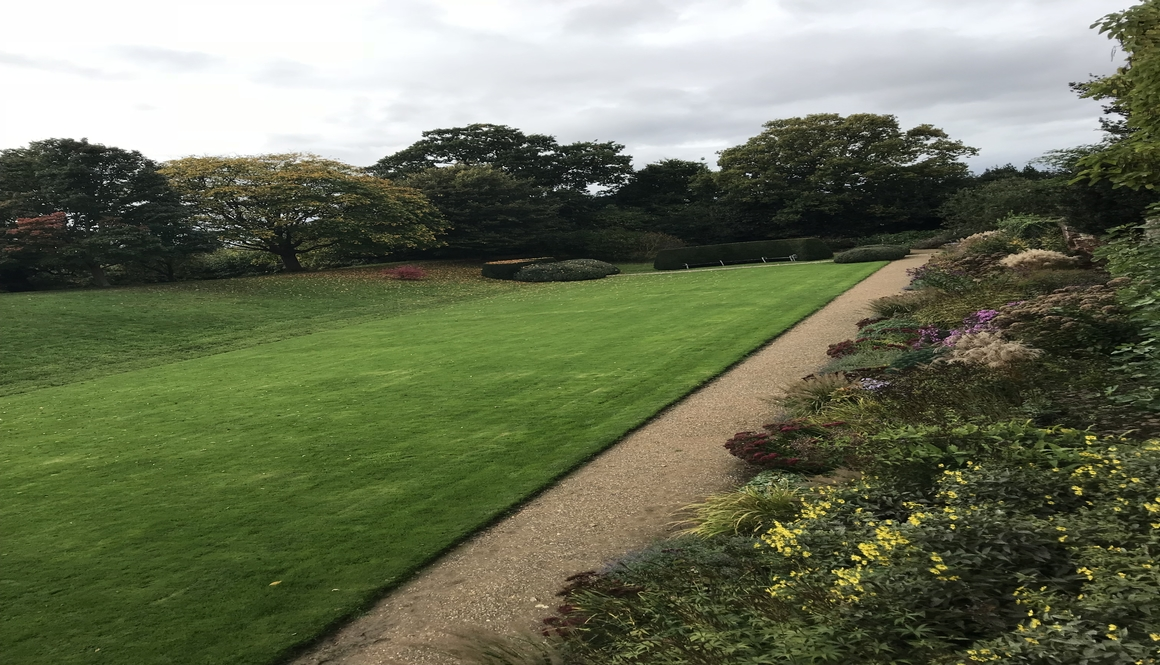
While the interiors often command the most attention, the 19 acres of award-winning gardens deserve equal admiration. The grounds provide a peaceful, structured contrast to the imposing architecture.
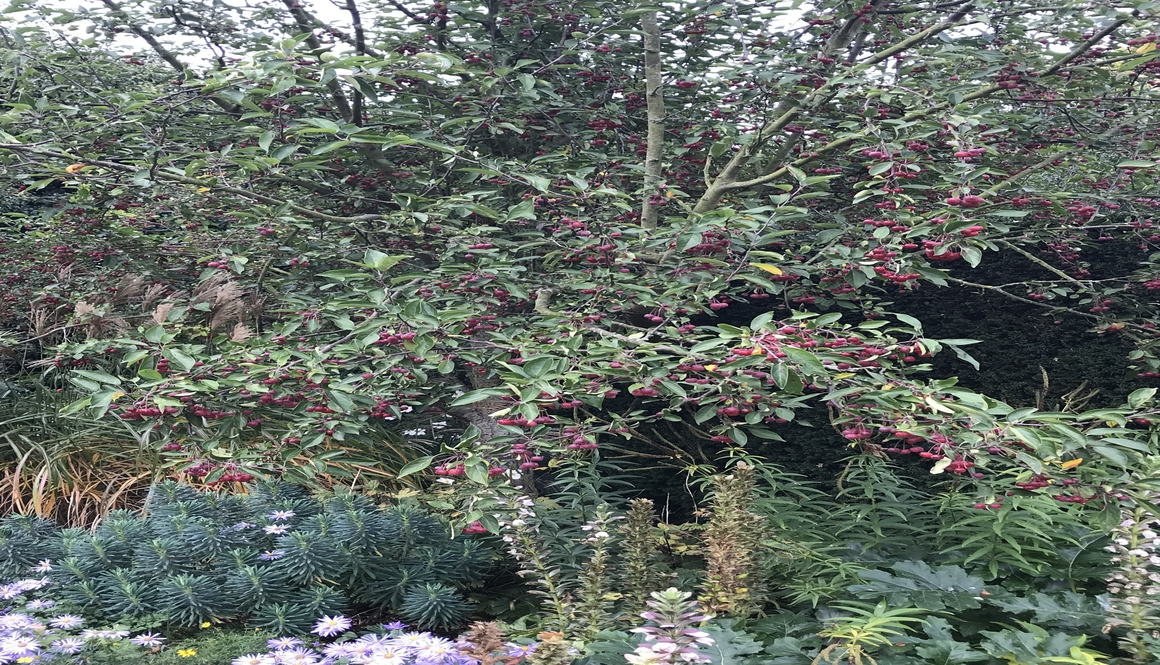
Stephen and Virginia Courtauld were passionate horticulturists, and their influence remains heavily visible. Seasonal planting ensures changing displays throughout the year, while mature, historic trees provide dramatic structure across the landscape. The sunken rose garden offers a classic, fragrant English garden experience, while the rock garden and the moat walk introduce entirely different textures to the estate.
Walking through these gardens feels genuinely restorative. The sweeping lawns and historic stonework make it undeniably romantic. It possesses the kind of timeless, cinematic beauty that explains why it is so highly sought after as a venue.
My Favourite Part: The Thrill of the Threshold
What stayed with me long after I left was the sheer audacity of the contrast.
Most historic houses are strictly anchored to a single period. Eltham Palace, however, forces a brilliant, visual dialogue between two completely different worlds. One moment you are standing inside a medieval hall, imagining Tudor ceremonies and the heavy scent of woodsmoke; the next, you step across a threshold into a sleek, brightly lit corridor that looks like the set of an Agatha Christie adaptation.
Rather than competing, these two distinct eras actually enhance one another. The modern luxury makes the medieval architecture feel older and more profound, while the ancient stonework gives the Art Deco wing a sense of grounded gravity.
Visitor Information: Planning Your Visit
Location:
Eltham Palace is located in the Royal Borough of Greenwich, South East London (Court Yard, London SE9 5QE). It is currently managed by English Heritage.
Getting There:
The estate is highly accessible. The nearest railway stations are Mottingham or Eltham. From either station, it is approximately a 10 to 15-minute walk through pleasant suburban streets.
Facilities:
The site features a fantastic glasshouse café serving lunches and afternoon tea, a well-curated gift shop, and an outdoor wooden play area for children.
Time Required:
Allow at least two to three hours to fully explore both the house and the gardens. On a sunny day, you will likely want to linger much longer on the lawns.
The Verdict: A Masterpiece in Time Travel
Eltham Palace and Gardens is far more than a standard heritage property. It is a highly curated experience where Tudor history, uncompromising Art Deco design, and spectacular landscaping collide.
Whether you are visiting for the royal connections, the world-class interior design, or simply the chance to escape the pace of central London for an afternoon, Eltham Palace consistently rewards curiosity. In a city globally renowned for its historic landmarks, it remains one of London’s most elegant, surprising hidden treasures and a mandatory addition to any discerning itinerary.