Few destinations on earth offer such striking, immediate contrasts as Morocco.
Within a single journey, you can find yourself hopelessly lost in centuries old medinas, standing beneath the snow-capped peaks of the Atlas Mountains, watching heavy Atlantic waves roll onto golden beaches, or gazing across the vast, silent stretches of the Saharan desert.
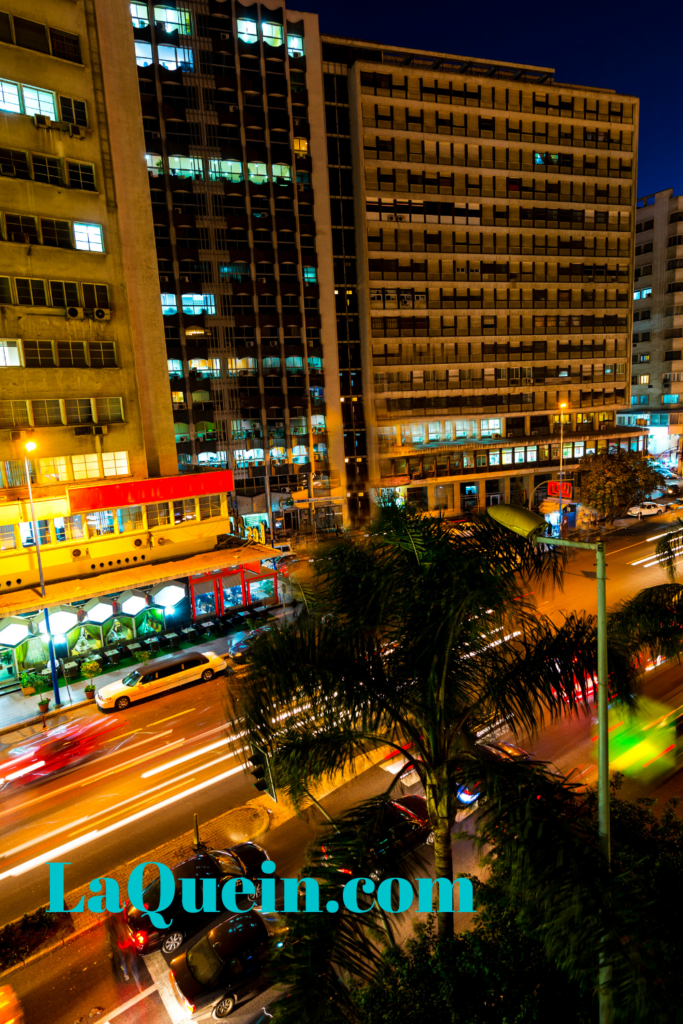
Positioned perfectly at the crossroads of Africa, Europe, and the Middle East, Morocco has long been a magnetic meeting place of cultures and traditions. Its cities pulse with an intoxicating, chaotic energy. Yet, the moment you step off a frenetic street and through the heavy wooden doors of a traditional riad, the noise vanishes. You are suddenly in a tranquil, tiled courtyard scented with orange blossom and fresh mint.
It is a country that deeply rewards curiosity. Every winding, dusty alleyway seems to reveal another hidden artisan workshop, a sprawling spice market, or a shaded rooftop terrace overlooking an endless sea of terracotta rooftops.
What makes Morocco so captivating is not simply the diversity of its cinematic landscapes. It is the way ancient history and modern life sit so comfortably side by side. Ancient customs continue to dictate everyday life, yet contemporary art, high design, and world-class cuisine are flourishing. The result is a destination that feels incredibly timeless, yet constantly evolving.
Why Morocco Matters: A Cultural Crossroads
Morocco’s identity has been forged by centuries of intense cultural exchange. Berber, Arab, West African, Mediterranean, and European influences have all woven together to create a culture that is fiercely and uniquely Moroccan.
Located on the north-western edge of Africa, the country is separated from Spain by only a narrow stretch of water. This highly strategic position established Morocco as a vital global trading hub throughout history. Today, visitors encounter a rich, layered blend of traditions reflected in the architecture, language, and craftsmanship. Arabic and Amazigh (Berber) are the official languages, while French is spoken everywhere and English is increasingly common.
However, it is Moroccan hospitality that visitors remember long after they unpack their suitcases. Whether you are navigating a bustling city, dining in a restored palace, or visiting a remote mountain village, warmth and generosity remain the absolute foundation of the culture.
The country’s geographical diversity is astonishing. In a matter of days, you can easily move from the Atlantic coast, up into deep mountain valleys, and onward to the very edge of the Sahara.
What You’ll Find: A Landscape of Discovery
The Imperial Cities
Morocco’s historic cities provide an extraordinary, crash-course introduction to the country’s heritage. The four Imperial Cities Fez, Marrakesh, Meknes, and Rabat each tell a completely different chapter of the Moroccan story.
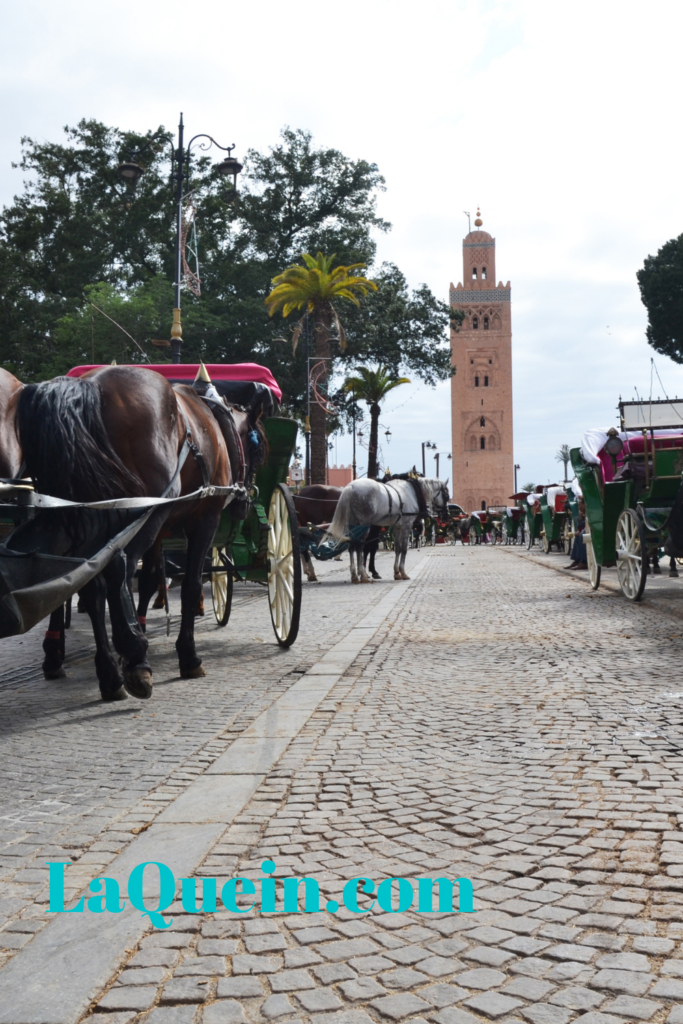
Marrakesh is perhaps the most iconic, famously referred to as the Red City because of its striking terracotta walls. It remains one of the country’s most vibrant cultural epicentres, renowned for its historic palaces, lush botanical gardens, and the electric atmosphere of the Jemaa el-Fnaa square.
Meanwhile, Fez is widely regarded as Morocco’s spiritual and intellectual heart. Its ancient, sprawling medina is one of the largest car-free urban areas in the world. It perfectly preserves centuries of history within its dense, maze-like streets.
The Magic of the Medina
No visit to Morocco feels complete without actively getting lost in a medina.
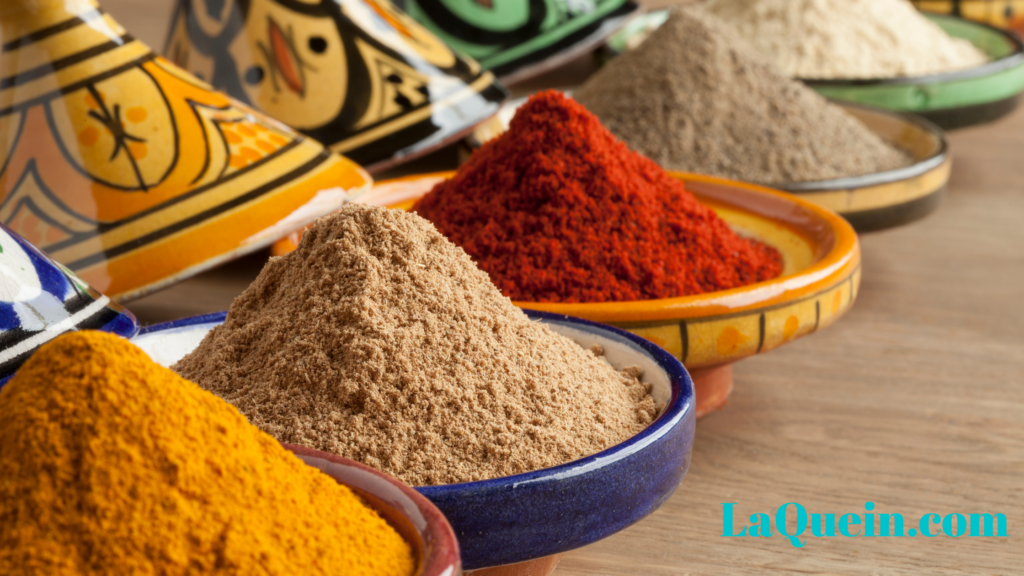
These historic, walled quarters form the beating heart of many Moroccan cities. They offer a sensory experience unlike anywhere else on the planet. Narrow passageways weave tightly between market stalls, hidden bakeries, and centuries-old mosques. The sounds of daily life echo loudly through the streets as traders display towering mounds of spices, hand-woven textiles, ceramics, and leather goods. The scent of freshly baked khobz (flatbread) mingles heavily with cumin and coriander.
Architectural Beauty
Morocco’s architecture is an art form in itself. Across the country, intricate geometric *zellij* tilework, heavily carved plaster details, and elegant archways reflect centuries of masterful craftsmanship. Influences from Islamic, Andalusian, and Berber traditions combine to create a visual language that is unmistakably Moroccan.
A Culinary Journey
Food is woven directly into the fabric of Moroccan culture. It offers one of the most rewarding aspects of visiting the country.
As someone who loves developing flavour in the kitchen, exploring a Moroccan spice market is a revelation. The cuisine is celebrated for its highly complex layering of flavours rather than intense, palate-destroying heat. Aromatic spices such as cumin, cinnamon, ginger, saffron, and turmeric are used masterfully to create dishes that feel both deeply comforting and highly distinctive.
The iconic tagine: a slow cooked stew named after its conical clay cooking vessel is a daily staple. Variations include rich lamb with sticky prunes, or tender chicken with sharp preserved lemon and olives. Every meal balances savoury and sweet elements in beautifully unexpected ways.
Beyond the Cities: Desert Dunes and Atlantic Swells
While the imperial cities often capture the spotlight, the country’s wild, natural landscapes are equally compelling.
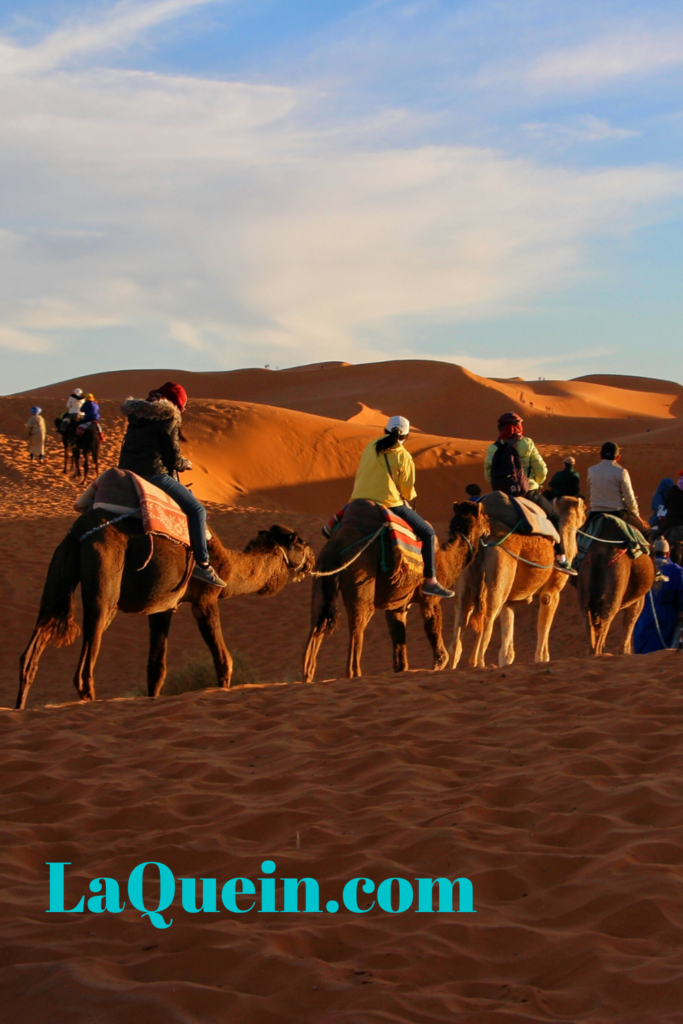
The dramatic Atlas Mountains slice across much of the country. They create a breathtaking landscape of jagged peaks, deep valleys, and traditional Berber villages. Further south, the vast Sahara introduces an entirely different environment. Near the remote village of Merzouga, rolling sand dunes create one of Morocco’s most iconic, silent landscapes. Sunrise and sunset physically transform the desert into a shifting palette of gold, amber, and deep burnt orange.
Along the Atlantic coast, the atmosphere shifts again. Travellers discover charming, whitewashed seaside towns and world-class surfing conditions. The incredibly relaxed, bohemian atmosphere of Taghazout has made it a sanctuary for those seeking a significantly slower pace of life.
My Favourite Part: The Art of the Pause
What makes Morocco so endlessly intriguing is the sheer, overwhelming variety of experiences found within a single border.
Few countries allow you to move so seamlessly between ancient, walled history, vibrant urban chaos, dramatic mountain landscapes, and the absolute silence of the desert horizon. Yet, despite this diversity, everything remains tethered by a fierce sense of national identity and heritage.
There is a distinct rhythm to Morocco that feels entirely its own. It is found in the hypnotic call to prayer echoing across the city rooftops at dusk. It is felt in the chaotic bustle of a morning marketplace. Most importantly, it is experienced in the sacred, unhurried ritual of sharing a glass of sweet mint tea.
It is this precise balance between intense energy and profound tranquillity, between ancient tradition and modern life that leaves such a lasting, beautiful impression.
Visitor Information: Planning Your Journey
Best Time to Visit: Spring (March to May) and early autumn (September to November) offer the most comfortable, temperate weather for sightseeing and desert excursions.
Currency: The Moroccan Dirham (MAD). Cash is still king in the medinas, so always carry small denominations for the souks.
Language: Arabic and Amazigh (Berber) are official, with French spoken almost everywhere. English is now commonly understood in major hubs and hotels.
Getting Around: The high-speed Al Boraq train brilliantly connects major northern cities like Tangier, Rabat, and Casablanca. For the Atlas Mountains or the Sahara, hiring a private driver or joining an organised excursion is highly recommended for ease and safety.
Essential Highlights:
Getting lost in the Fez medina, staying in a restored Marrakesh riad, exploring the Atlas Mountains, taking a camel trek into the Sahara at sunset, and eating a traditional tagine cooked slowly over charcoal.
Morocco is a destination that effortlessly captivates history lovers, food enthusiasts, and design purists alike. Whether you are haggling for rugs in an ancient street or watching the sun sink below the desert horizon, it offers a richness of experience that is incredibly difficult to match anywhere else in the world.