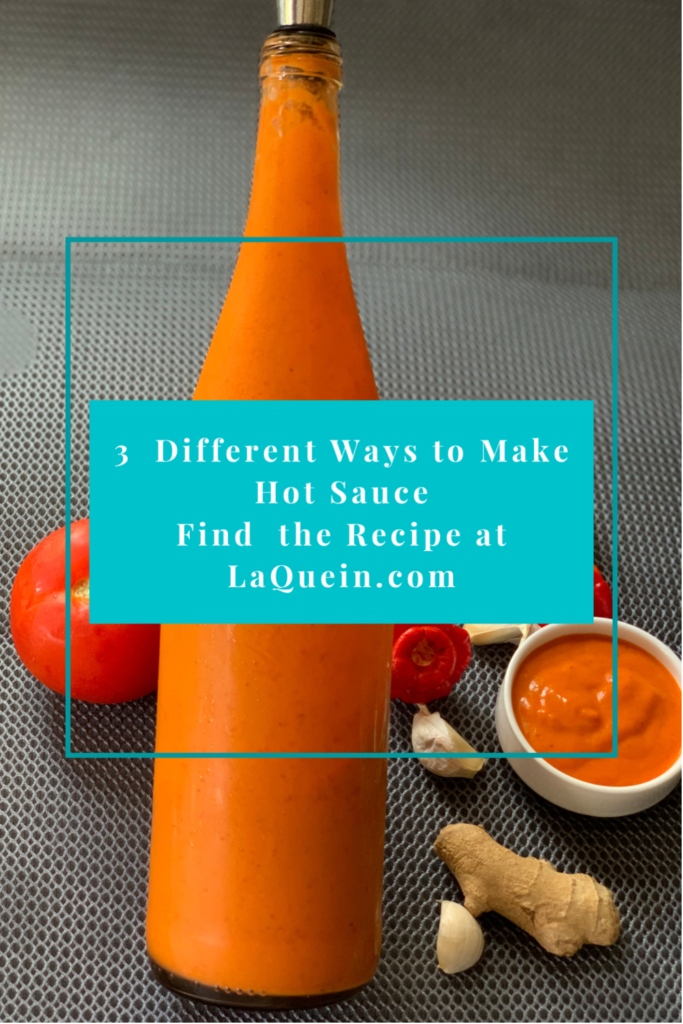
There are certain ingredients that quietly, but fundamentally, transform a meal. For me, hot sauce sits firmly at the absolute top of that list.
Whether it is generously drizzled over blackened fish tacos, stirred deep into a winter soup, or spooned directly onto charred meats straight from the grill, a genuinely good hot sauce possesses the power to elevate the ordinary. It brings heat, sharp acidity, and savoury complexity in a way very few condiments can ever match.
Over the years, I have tested countless commercial varieties. I have tasted everything from mild, smoky table sauces to intensely fiery blends designed to challenge the most devoted chilli enthusiasts. What I quickly discovered is that finding the perfect bottle is surprisingly difficult. Too many commercial sauces deliver aggressive, palate destroying heat but absolutely zero flavour. Others focus entirely on sugar and vinegar, leaving you desperately searching for the spice.
This exact frustration is what drove my passion for creating artisan chilli pastes and sauces from scratch. When you build it yourself, you control the alchemy. You dictate the heat level, the texture, and the delicate balance of sweetness and smoke.
Whether you prefer a vibrant, fresh salsa, a rich oven-roasted blend, or a deeply smoky barbecue-inspired sauce, these three methods offer something spectacular for every palate.
Why Make Your Own? The Pursuit of Perfect Balance
Making hot sauce at home allows you to engineer flavour profiles that simply do not exist on supermarket shelves.
The biggest advantage is complete flexibility. You can meticulously adjust the heat according to your family’s preference. You can experiment with rare chilli varieties. You can introduce specific aromatics that perfectly complement the foods you cook most often.
Homemade sauces also allow fresh, seasonal produce to shine. Ripe tomatoes, sweet bell peppers, sharp onions, plump garlic, and fresh ginger create overlapping layers of flavour. They ensure the sauce remains interesting long after the initial heat fades.
A crucial safety note before we begin: Hotter chillies must be handled with absolute respect. Wearing disposable gloves while preparing extreme peppers is mandatory to avoid severe skin and eye irritation. Wash your hands, knives, and chopping boards thoroughly immediately after use.
Understanding Heat: From Gentle Warmth to Carolina Reapers
The secret to a highly successful hot sauce is balancing the heat with actual flavour.
Scotch Bonnet Chillies: These are the gold standard for flavour. They deliver a vibrant, fruity sweetness alongside a serious punch of heat. They are the undeniable foundation of African and Caribbean-inspired cooking.
Carolina Reapers: Currently holding the crown as one of the hottest chillies on the planet. They have a brilliant, sweet, almost cherry-like undertone, but the heat is brutal. Use them incredibly sparingly unless you are a seasoned veteran.
The Milder Alternatives: For a much more approachable, family friendly sauce, simply substitute the hotter peppers. Use standard red chillies for a mild baseline.
Opt for finger chillies for a medium, rolling warmth. Use green jalapeños for a fresh, grassy, and highly versatile flavour.
Method One: The Vibrant Fresh Sauce
Why You’ll Love It:
This raw, uncooked sauce delivers bright, aggressive, and highly vibrant flavours. It features a noticeable, sharp acidity that cuts through rich foods brilliantly. Because the ingredients remain raw, the aromatic oils stay lively and bold. It feels punchy and full of character.
The Ingredients:
- ½ medium onion, roughly chopped
- 1 Scotch Bonnet chilli, deseeded
- 1 Carolina Reaper chilli, deseeded (use half for less heat)
- 2 plump garlic cloves
- 1 tsp fresh ginger, peeled and grated
- 1–2 tbsp quality olive oil
- 1 tinned plum tomato (the juice adds necessary liquid)
- Fine sea salt and cracked black pepper to taste
The Method
1. Blend the Base
Add the onion, chillies, garlic, ginger, olive oil, and the tinned tomato into a high-powered blender or food processor. Blend on high speed until completely smooth and emulsified.
2. Taste and Balance
Carefully taste the sauce (use a very small amount). Adjust the seasoning with sea salt and black pepper. If the sauce feels too sharp or acidic, add a tiny pinch of ground cumin or dried oregano to introduce extra earthy depth.
3. Bottle and Store
Transfer the vibrant sauce to a sterilised glass bottle or jar. Seal tightly and refrigerate immediately. The flavours will intensify overnight.
Best Served With: Beef tacos, grilled chicken wraps, rice bowls, and loaded nachos.
Method Two: The Oven-Roasted Hot Sauce
Why You’ll Love It:
Roasting vegetables fundamentally alters their chemical structure. The natural sugars caramelise in the heat, creating a richer, slightly sweeter sauce with a profound, savoury complexity. This is the ideal, everyday table sauce that perfectly balances flavour and fire.
The Ingredients:
- 1 medium yellow onion, quartered
- 1 Scotch Bonnet chilli, deseeded
- 6 standard red chillies, deseeded
- 2 Carolina Reaper chillies, deseeded
- 3 garlic cloves, crushed but kept in their skins
- 1 yellow bell pepper, deseeded and chopped
- 1 tsp fresh ginger, grated
- 3 tbsp white wine vinegar
- 6 fresh vine tomatoes, halved
- 1 tbsp dark brown sugar
- 2–3 tbsp olive oil
- Fine sea salt and black pepper
The Method
1. Roast the Aromatics
Preheat your oven to 150°C (130°C Fan / Gas Mark 2). Arrange the halved tomatoes, onion quarters, yellow pepper, garlic cloves (in their skins), and all the chillies on a large baking tray. Drizzle generously with olive oil and season lightly with sea salt.
2. Caramelise
Roast in the oven for approximately 15 to 20 minutes. You are looking for the vegetables to completely soften and develop slightly charred, caramelised edges. Remove from the oven and allow to cool slightly. Squeeze the roasted garlic out of its skins.
- Blend and Bottle
Transfer the roasted vegetables and all the resting juices from the tray into a blender. Add the white wine vinegar, grated ginger, and dark brown sugar. Blend until silky smooth. Bottle the sauce and store it in the refrigerator once cooled.
Best Served With: Smashed burgers, roasted root vegetables, sticky chicken wings, and heavily loaded fries.
Method Three: The Smoky Barbecue Sauce
Why You’ll Love It:
If you spend your summer weekends cooking outdoors, this will quickly become your signature sauce. Cooking the vegetables directly over glowing charcoal introduces a deep, authentic smokiness that an indoor oven simply cannot replicate. It boasts remarkable depth and stands up beautifully to heavy, rich meats.
The Ingredients:
- 1 medium red onion, halved
- 1 Scotch Bonnet chilli
- 1 Carolina Reaper chilli
- 3 garlic cloves, whole
- 3 yellow bell peppers
- 1 tsp fresh ginger, grated
- 1 tbsp dark brown sugar
- 2–3 tbsp olive oil
- Sea salt and black pepper
The Method
1. Char on the Coals
Wrap the yellow peppers, the red onion halves, the chillies, and the garlic cloves together tightly in a heavy-duty foil parcel. Place the parcel directly onto the barbecue grill over a low, indirect heat.
2. Smoke and Soften
Close the barbecue lid and allow them to roast for 20 to 30 minutes. The vegetables will steam, soften, and absorb the ambient charcoal smoke. Carefully remove the parcel and let it cool until safe to handle.
3. Blend the Smoke
Transfer the softened vegetables into a blender. Do not discard any slightly blackened or charred pieces of skin, this is exactly where the deep, authentic barbecue flavour lives. Add the ginger, olive oil, brown sugar, salt, and pepper. Blend until smooth and glossy.
Best Served With: Slow-smoked barbecue ribs, pulled pork sandwiches, grilled sausages, and heavily charred steaks.
My Favourite Part: The Kitchen Alchemy
What I genuinely enjoy most about making hot sauce from scratch is the absolute creative freedom it affords you.
A tiny adjustment in the ingredients can completely change the personality of the final bottle. Roasting the vegetables creates a deep, savoury sweetness. Keeping the ingredients raw increases the sharp, acidic brightness. Cooking over charcoal introduces rugged layers of smoke. Even simply changing the base variety of the chilli transforms the entire profile of the sauce.
It is a culinary project that never feels repetitive, because every single batch you make will be slightly, beautifully different from the last.
Ultimately, the best hot sauce is rarely the one that simply burns your tongue the most. It is the one that achieves that elusive, perfect equilibrium between deep flavour, sharp acidity, subtle sweetness, and lingering, beautiful heat.