
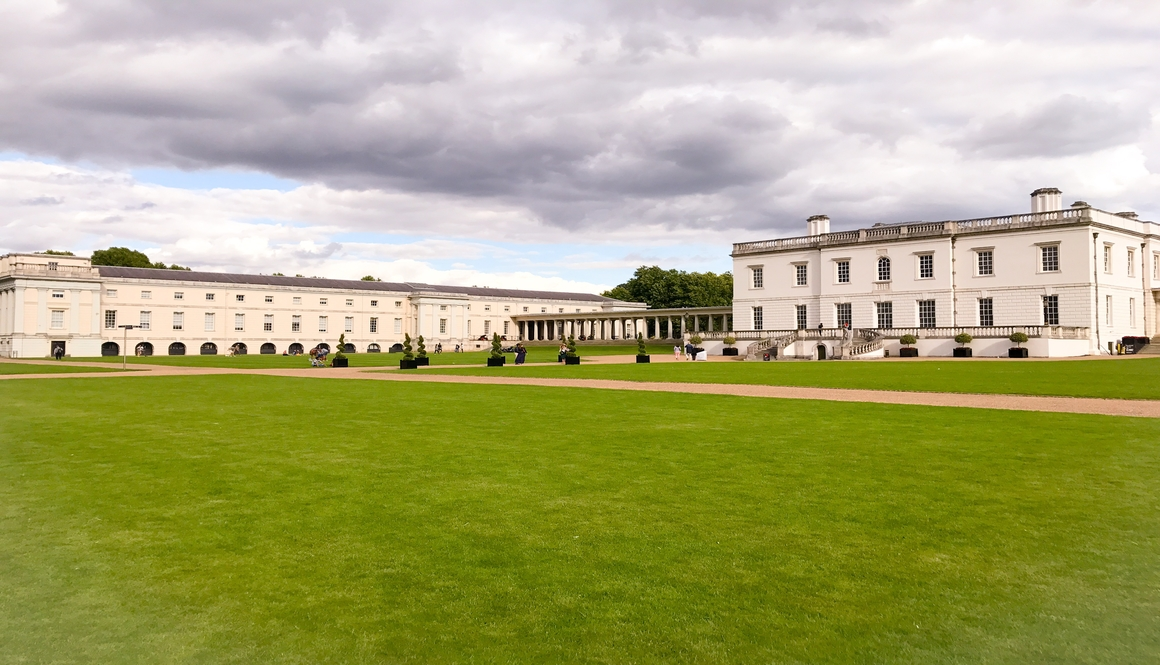
There is a profound, grounding satisfaction in wandering through a landscape where history feels tangibly woven into the geography. Perhaps that is why I am consistently drawn to grand historic estates and beautifully preserved parklands; they offer significantly more than just a pleasant day out. They provide a physical, sensory glimpse into the lives, ambitious ideas, and seismic events that shaped the modern world.
Few places in Europe capture that atmospheric weight quite like Greenwich Park. Perched high above the River Thames in South East London, this remarkable green space combines sweeping, cinematic views, deeply rooted royal history, world-changing scientific discovery, and some of Britain’s most significant cultural architecture. Whether you are visiting for a leisurely afternoon stroll or deploying a highly structured itinerary for a full day of exploration, Greenwich Park consistently over-delivers.
Why This Place Matters: The Centre of Time and Space
Greenwich Park is one of London’s oldest Royal Parks and serves as the crowning green lung of Maritime Greenwich, a designated UNESCO World Heritage Site. Covering 183 acres of rolling lawns, meticulously planted tree-lined avenues, and formal gardens, the park’s strategic importance stretches back to Roman times.

Over the centuries, it has been inextricably linked with the British monarchy. It was the favoured stomping ground of King Henry VIII, who spent much of his childhood here and later hosted spectacular Tudor tournaments on these very grounds. Today, it remains one of the capital’s most beloved sanctuaries, attracting visitors who make the pilgrimage to its spectacular viewpoints. Standing on the hill beside the Royal Observatory, you are rewarded with one of the greatest visual juxtapositions in the country: the historic River Thames winding through the foreground, set against the towering, hyper-modern skyline of Canary Wharf. It is a scene that perfectly synthesises nature, history, and modern commercial London.
What You’ll Find: A Landscape of Discovery
One of the reasons I continually return to Greenwich Park is its dynamic, seasonal geometry; every visit feels distinctly different.
In the height of summer, families anchor themselves with picnic blankets beneath the mature, heavy canopies, while visitors spread out across the vast open lawns. During autumn, the landscape undergoes a violent, beautiful transformation into a rich display of gold and amber. Crucially, unlike many densely packed urban parks, Greenwich feels genuinely expansive. It provides the necessary volume of space to entirely escape the frantic pace of the city, while remaining incredibly well-connected.
Arrival Strategy: The River Route
Part of the romance of Greenwich is in the approach. While the area can be efficiently reached from Central London in around ten minutes via National Rail or the DLR, the most strategic and undeniably enjoyable way to arrive is by river.
Travelling aboard the Thames Clipper offers a brilliant, low-friction perspective of London’s waterfront landmarks before docking at Greenwich Pier. From there, you are immediately deposited at the foot of the area’s major attractions. When entering the park itself, I highly recommend approaching via Chesterfield Gate. This route allows for a longer, more immersive walk through the historic avenues before you tackle the incline towards the park’s most famous viewpoints.
My Favourite Part: The Royal Observatory and The Stars
If there is a single institution that defines the intellectual legacy of Greenwich, it is the Royal Observatory.

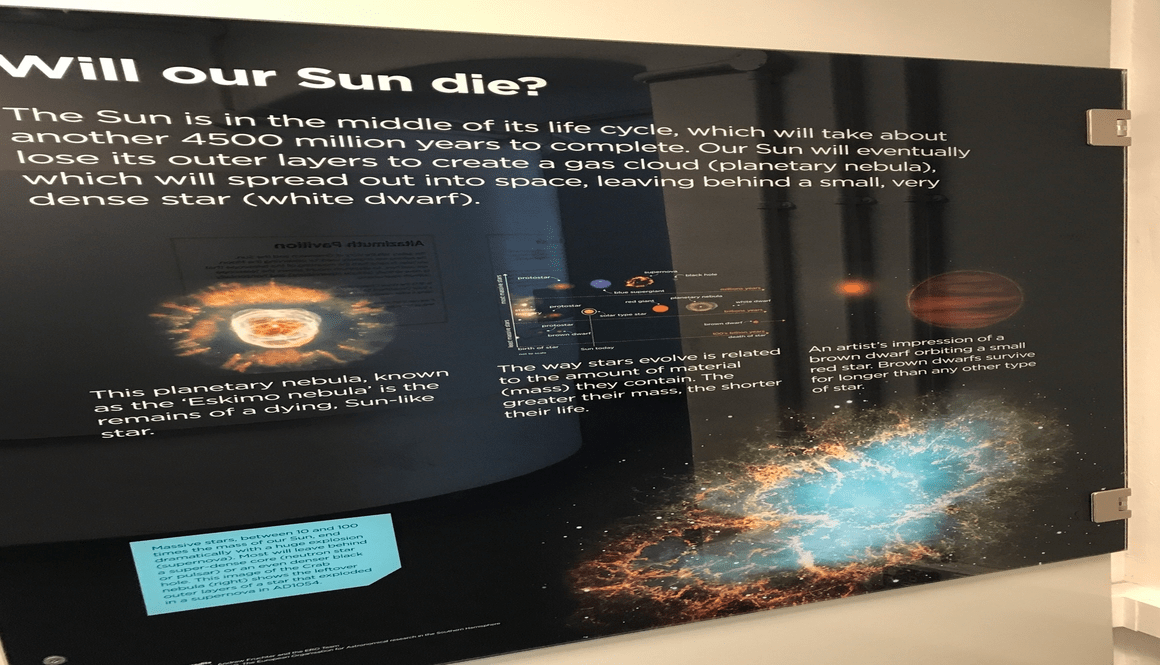
Founded by King Charles II in 1675 and designed by the legendary Sir Christopher Wren, this facility was established to solve one of the greatest strategic and scientific challenges of its era: determining longitude at sea. Its subsequent work completely revolutionised global navigation and served as the absolute bedrock of Britain’s maritime dominance.
Walking through the historic buildings and standing on the Prime Meridian Line, it is impossible not to feel a sense of awe for the generations of astronomers who literally mapped the mechanics of the universe from this hill. The highlight of my visit, however, was the Peter Harrison Planetarium. Watching the night sky projected above us brought complex astrophysics to life with a clarity that textbooks cannot match. Viewing distant constellations and observing the moon through a modern telescope serves as a brilliant, humbling reminder of our scale within the universe.
Exploring Maritime Greenwich: An Architectural Masterclass
The sheer density of world-class attractions sitting directly on the borders of the park makes this area entirely unique.
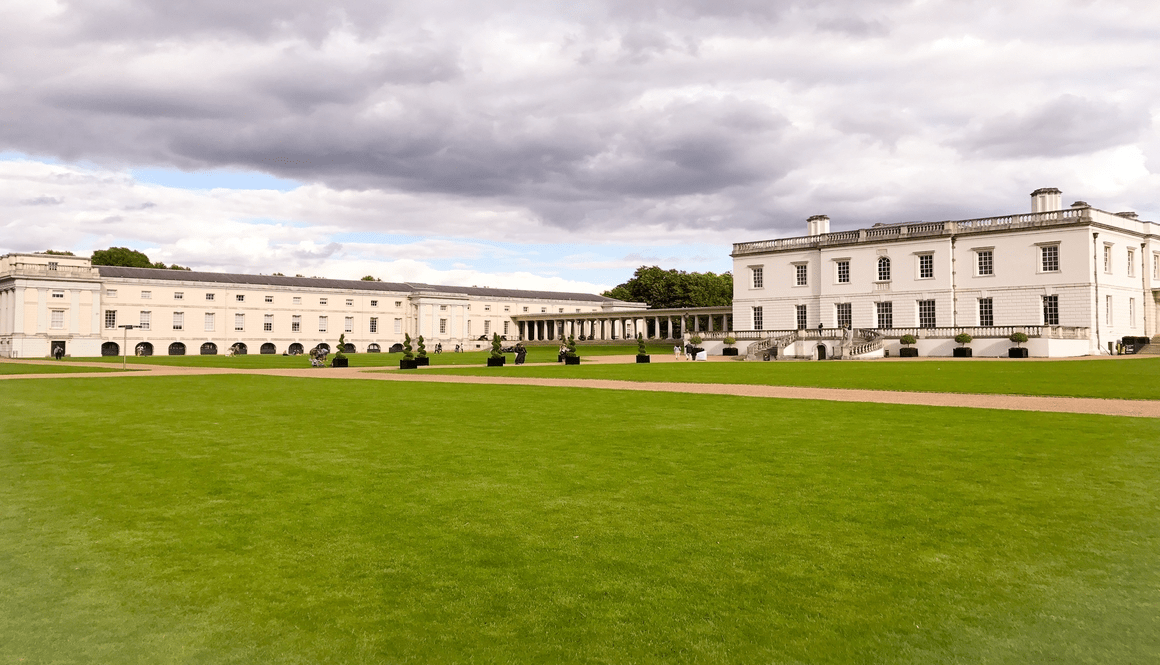
The Queen’s House: Elegant, perfectly symmetrical, and surprisingly understated, this Palladian masterpiece is often entirely overlooked by first-time visitors. Commissioned in 1616 by Anne of Denmark, it was England’s first truly classical building. The perfectly proportioned interiors particularly the iconic Tulip Stairs feel remarkably modern even today.
The National Maritime Museum: This is arguably the most important museum of its kind in the United Kingdom. Its vast galleries meticulously unpack Britain’s complex relationship with the sea, from aggressive global trade to naval supremacy. It presents dense, multi-layered history in a way that is highly engaging without ever feeling overwhelming or overly academic.
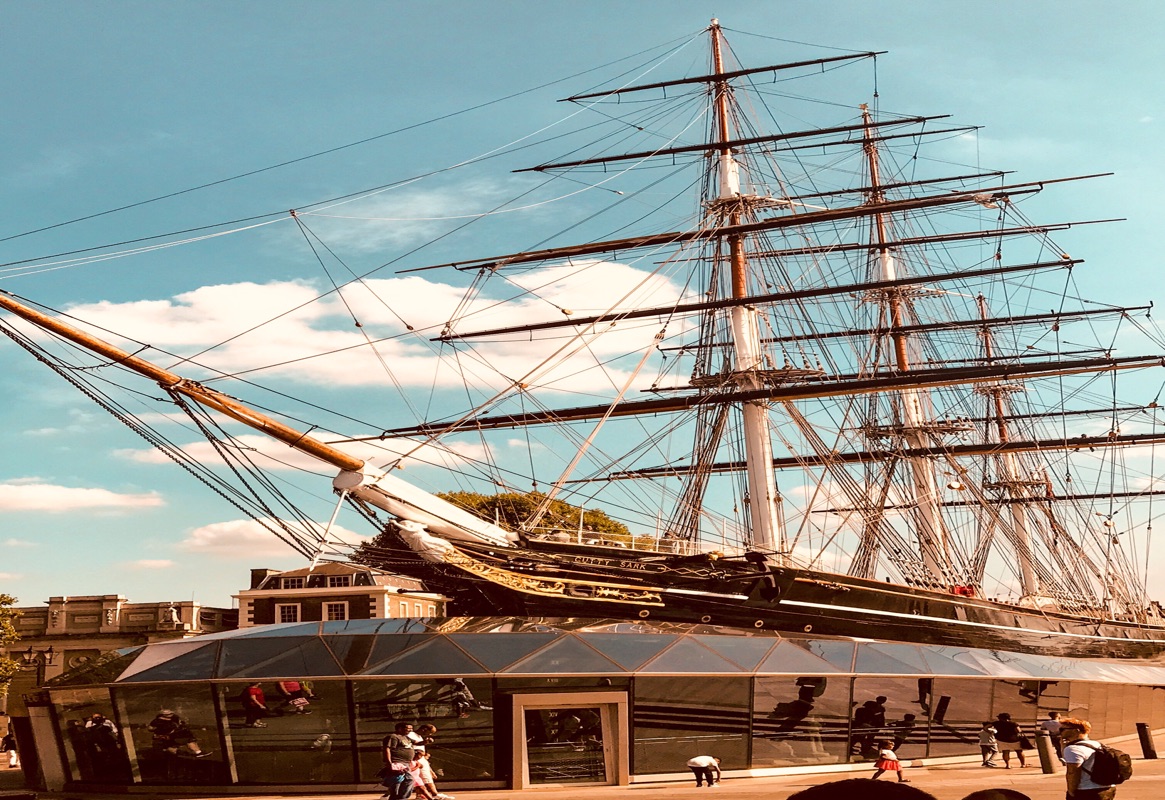
Cutty Sark: Built in 1869, this iconic tea clipper was once the fastest ship on the globe. Suspended in a breathtaking glass dry dock, visitors can physically walk beneath its magnificent, copper-clad hull. The curation aboard the decks is immersive and visceral, bringing the brutal, thrilling reality of the 19th-century global tea trade vividly to life.
Old Royal Naval College: Easily the most visually dominant architecture in Greenwich. Originally established as a retirement hospital for Royal Navy veterans, the site now houses the breathtaking Painted Hall. Taking Sir James Thornhill nineteen years to complete, its sprawling, intricate ceiling is frequently and accurately described as Britain’s answer to the Sistine Chapel.

A Hidden Gem: Ranger’s House
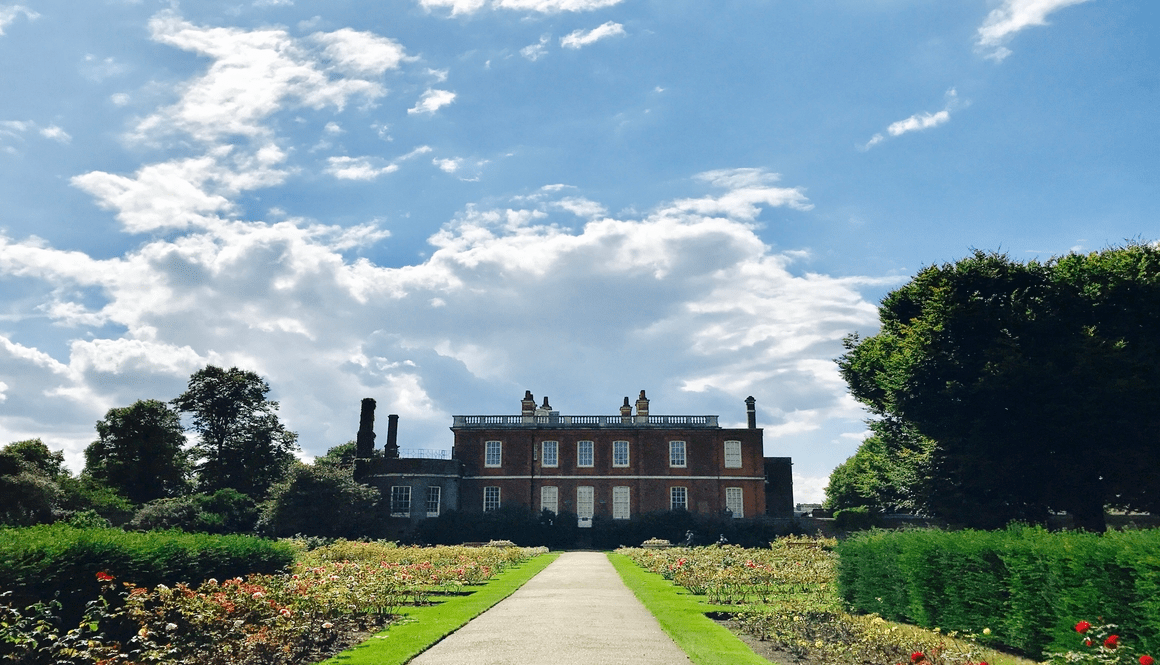
Tucked away on the eastern boundary of the park sits one of the area’s most rewarding, under-the-radar treasures. Ranger’s House is a flawless Georgian villa built in 1723. Today, it houses the Wernher Collection, an astonishing assembly of nearly 700 works of art collected by the diamond magnate Sir Julius Wernher.
Inside, you will find Renaissance bronzes, medieval ivory, and works by Dutch Masters, all displayed within the intimate, luxurious atmosphere of a private aristocratic residence. For art lovers, it is an essential detour.
Visitor Information: Planning Your Deployment
Location: Greenwich, South East London (SE10 8QY).
Optimal Transport: Arrive via the Thames Clipper (Uber Boat) to Greenwich Pier for the best approach. Alternatively, use Greenwich Station (National Rail/DLR) or Cutty Sark (DLR).
Best Time to Visit: Spring for the famous cherry blossoms beyond the Ranger’s House, or early autumn for the spectacular foliage. Arrive before 10:00 AM if you want to experience the observatory viewpoints without the crowds.
Ideal Visit Length: Allocate a full day. A half-day is simply not sufficient to cover the park, the observatory, and the naval college without rushing.
Perfect For: History enthusiasts, architectural purists, families seeking high-quality open space, and anyone looking to execute a flawlessly well-rounded London day out.
The Verdict: A London Essential
Greenwich Park transcends the standard definition of an urban green space. It is a highly concentrated cultural epicentre where Tudor royal history, world-changing scientific innovation, and breathtaking landscape architecture collide.
Whether you spend a quiet hour enjoying the view from the observatory hill, or execute a full-day itinerary exploring the maritime museums and Georgian villas, it remains one of the most intellectually and visually rewarding experiences in the capital.



Some useful information here. Good stuff!
Glad you like the content.